460,000+companies in our trades in New ZealandYour request goes to the game developers in your area.
$0for your requestFree, no obligation, confirmed by you.
30 sto make your requestService, timeframe, town: a few clicks, and a professional calls you back.
Game Developer nearby
A game developer to design your interactive applications, 3D simulations, and corporate games.
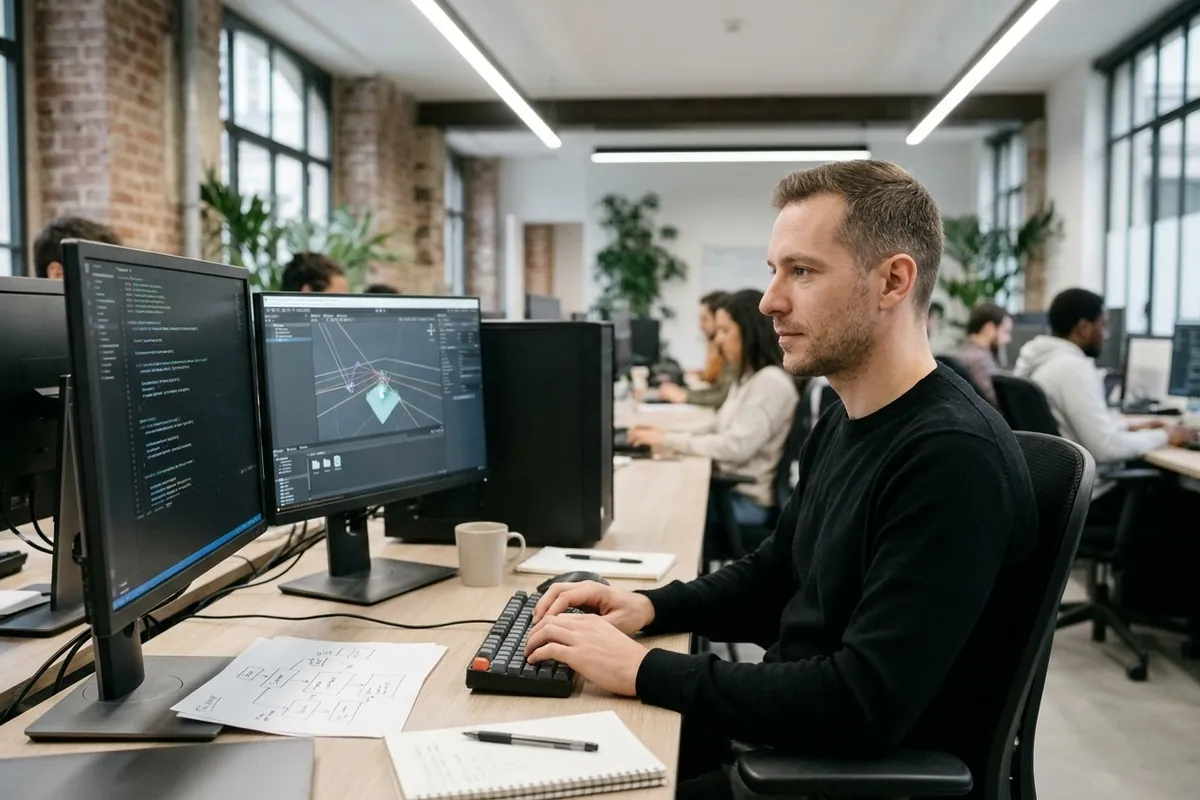
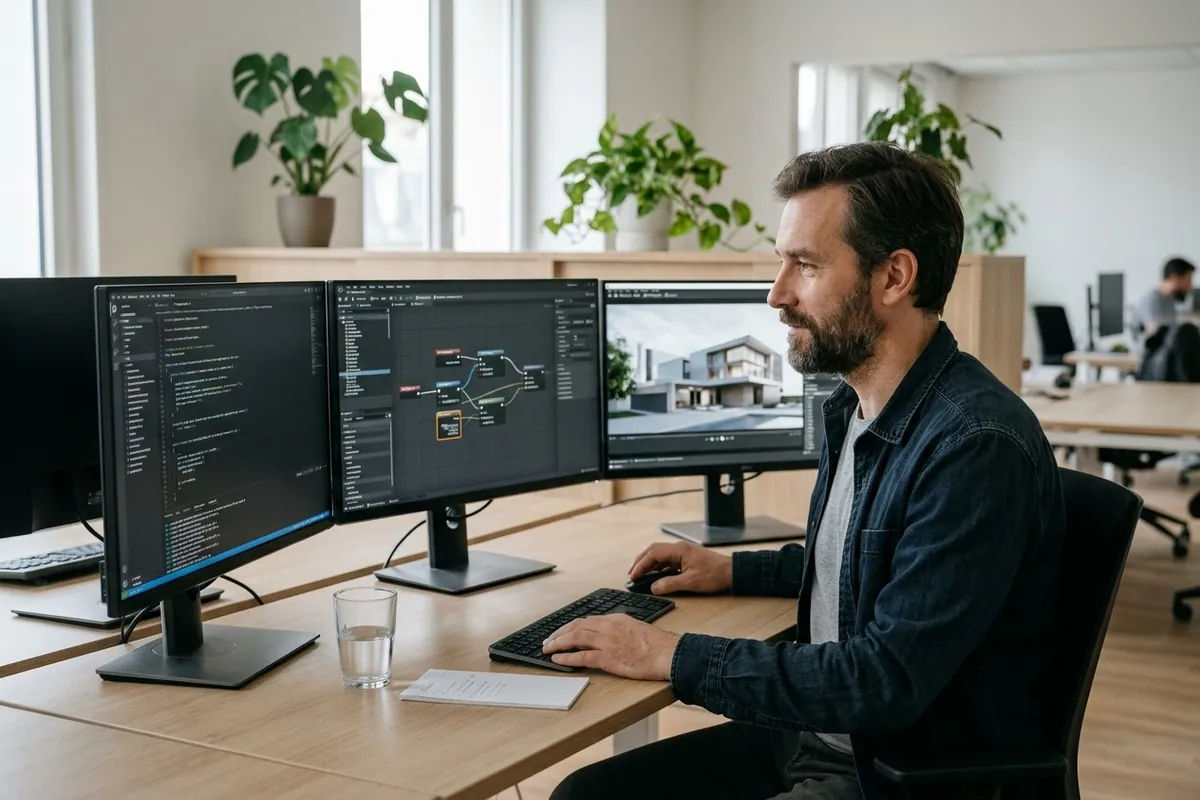
A game developer builds the code, logic, and core interactions behind video games and interactive learning software. They integrate environments, audio, animations, and user interfaces into a real‑time game engine. These professionals work across commercial entertainment titles, staff training applications, and industrial simulations. They collaborate closely with your technical leads, 3D artists, and project managers to build mechanics tailored to your audience.
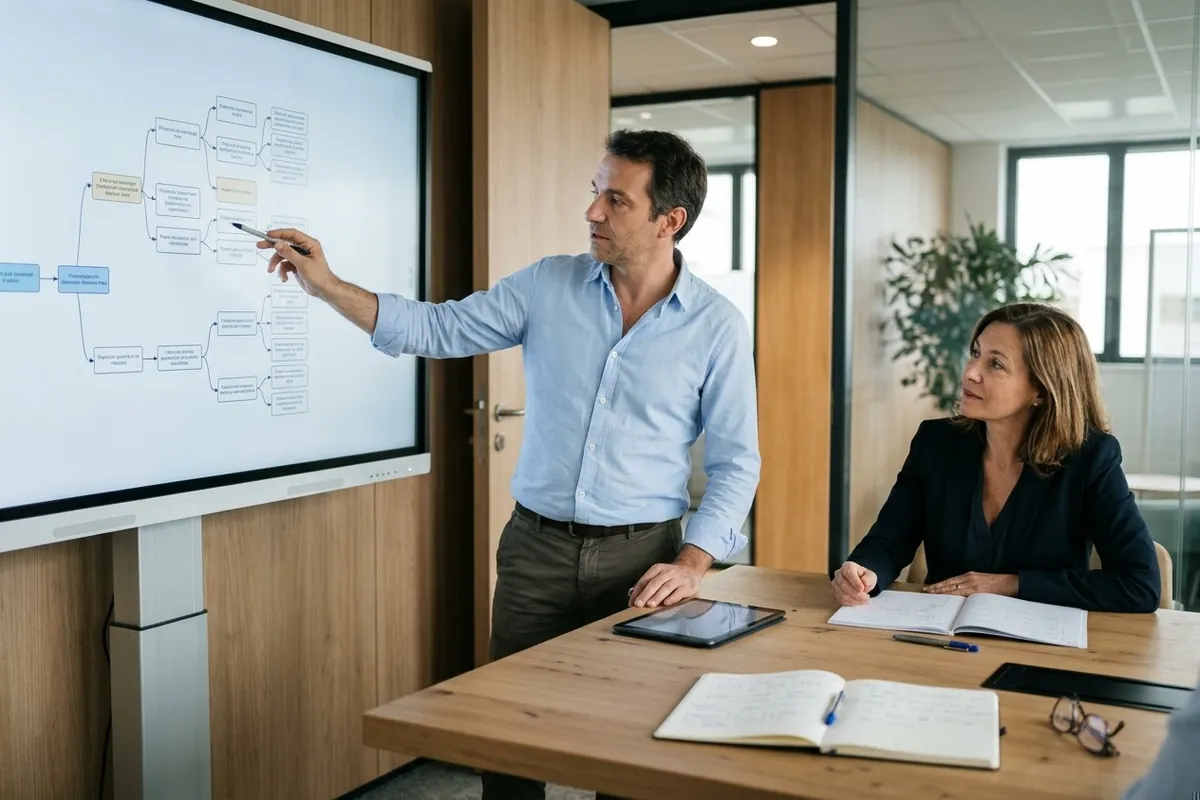
Most projects run entirely remotely across New Zealand. Initial project scoping and technical discovery calls take place over video conference. The pro then delivers regular playable builds so you can review progress at every stage. Version control tools, shared repositories, and weekly catch‑ups keep the technical workflow transparent. In‑person meetings are usually kept for initial design workshops or final sign‑off sessions.
Your areaEverywhere in New ZealandYour request goes to the game developers around you.
Your request · Game Developer
Which service do you need?
Free · No obligation
Game development services
Common service
Mobile game development
This service covers programming games tailored for smartphones and tablets across major mobile operating systems. The developer sets up responsive touch controls, optimises the build size, and integrates local or cloud saves. They also handle technical compliance and build preparation for submission to digital mobile storefronts.
Free · No obligation
Common service
Serious game development
This service involves creating interactive software designed for workplace training, recruitment, or internal awareness campaigns. The pro programmes branching scenarios, interactive quizzes, and scoring systems. They incorporate your company's subject matter to teach specific skills while keeping learners engaged.
Free · No obligation
Common service
VR application development
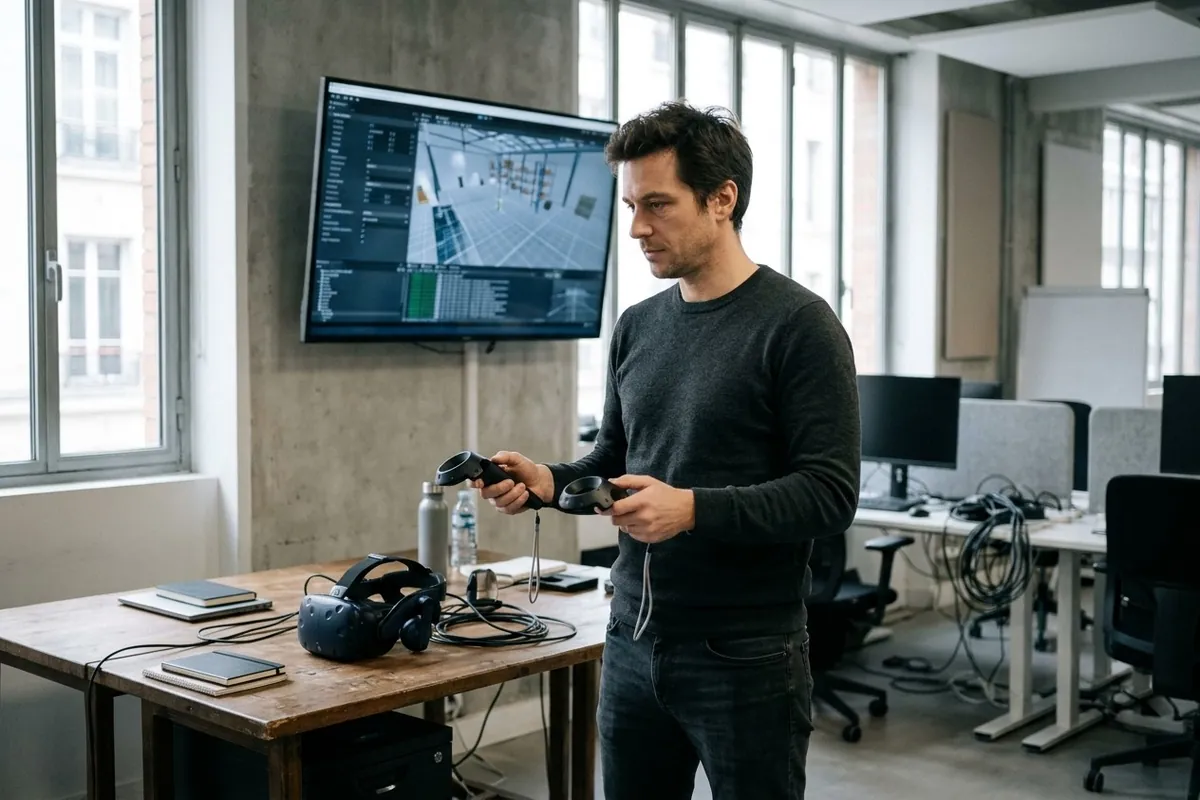
This service delivers fully immersive virtual environments built for commercial VR headsets. The developer configures player locomotion, real‑time object physics, and motion controller inputs. It is widely used for industrial walk‑throughs, technical simulations, and hands‑on health and safety training.
Free · No obligation
Common service
AR application development
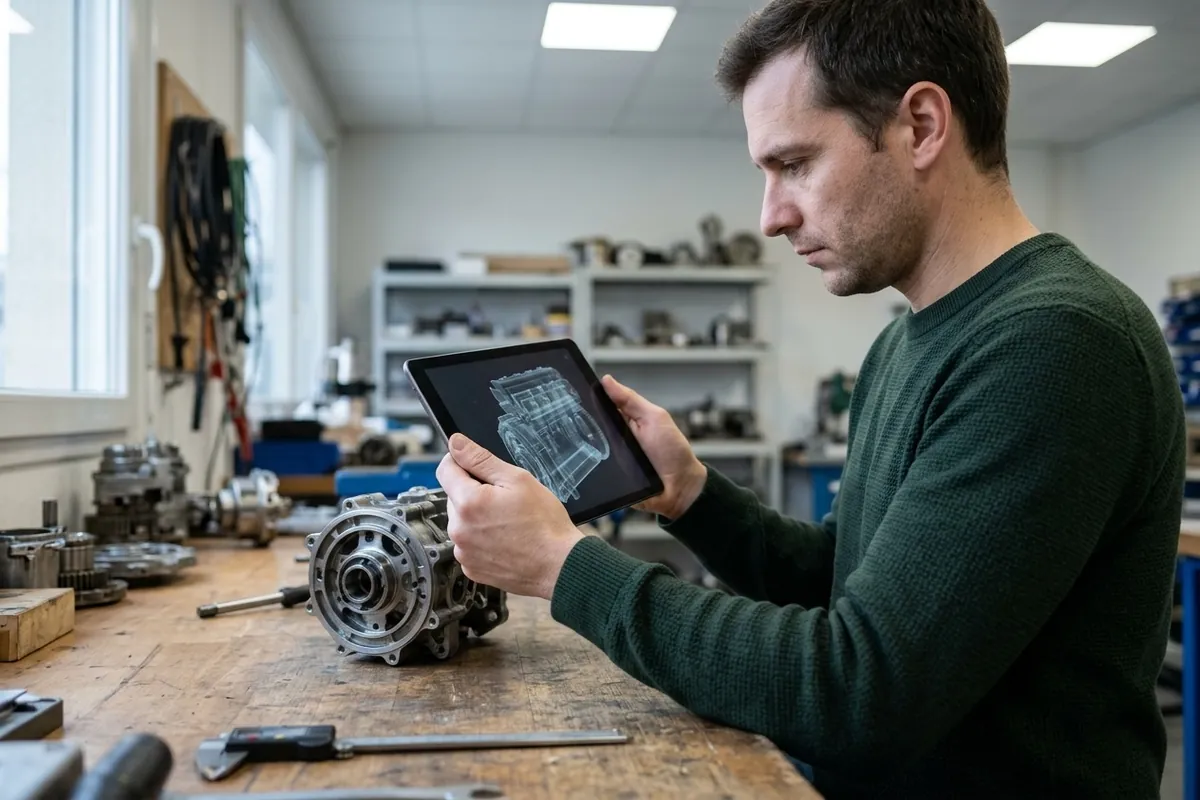
This service overlays interactive 3D digital assets directly onto the user's real‑world environment. The developer implements surface detection, plane tracking, and motion tracking via smartphones, tablets, or smart glasses. Organisations use AR for maintenance guides, on‑site training, and interactive product showcases.
Free · No obligation
Common service
3D modelling
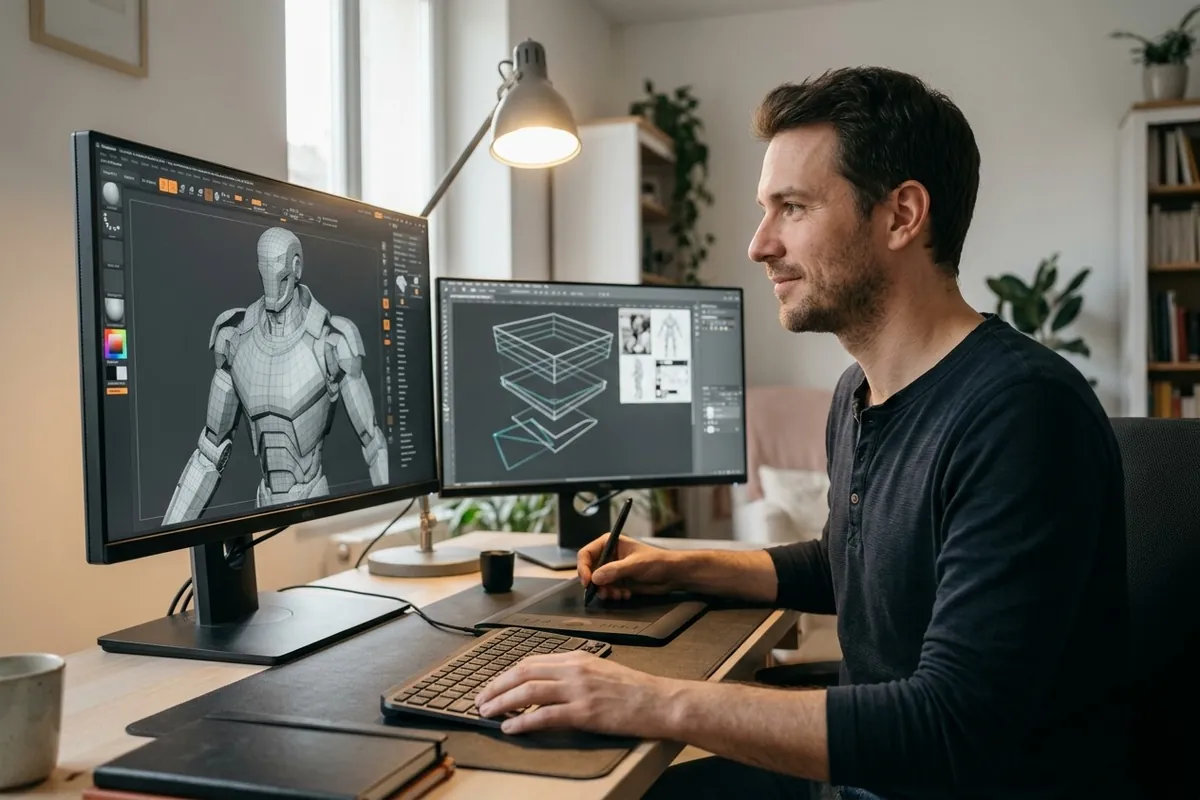
This service covers the technical preparation, polygon optimisation, and setup of 3D characters, props, and environments for real‑time game engines. The developer configures collision meshes, rigging hooks, and level of detail (LOD) settings to keep performance smooth without sacrificing visual quality.
Free · No obligation
Common service
Unity C# programming
This service focuses on writing the core game logic, character movement, and physics within the Unity engine. The developer writes clean, structured C# scripts to handle player mechanics, level systems, and interaction rules. It is ideal for building a rapid playable prototype or extending an ongoing production.
Free · No obligation
Common service
Unreal Engine C++ programming
This service delivers robust systems programming and advanced mechanics within Unreal Engine. The developer combines native C++ with visual scripting blueprints to construct high‑performance features. This is suited to graphically demanding titles, complex physics simulations, and expansive virtual worlds.
Free · No obligation
Common service
UI development
This service covers the implementation of in‑game heads‑up displays (HUD), responsive menus, inventory systems, and settings screens. The developer hooks visual design assets into the engine's underlying logic for a snappy, fluid experience. This ensures navigation remains intuitive during play or training.
Free · No obligation
When to call a game developer
K
Is this your situation? A professional in your area calls you back to discuss it.Free · No obligation
When choosing a game developer, begin by reviewing their portfolio of playable builds.
✓Download and test their previous releases to gauge input responsiveness, performance, and overall stability.
✓Ask for a detailed written quote or proposal outlining project milestones, chosen tech stacks, and deliverable schedules.
✓You can also request code samples or confirmation of public liability and professional indemnity insurance.
✓Discuss their version control workflow and how often progress catch‑ups will take place.
✓Be cautious of vague lump‑sum estimates given without a clear design document or proposals that do not define intellectual property transfers.
✓A reputable pro always formalises IP ownership of code repositories and bespoke artwork within a clear written contract.
What makes the price of a game developer
The total cost of your project depends primarily on the factors listed below. Your developer will provide a tailored quote or estimate detailing the total price based on your specific requirements.
What affects the price
Complexity of core gameplay mechanics and artificial intelligence logic
Volume of 3D models, textures, animations, and sound assets required
Target platforms, ranging from desktop and mobile to standalone VR headsets
Requirement for multiplayer networking, cloud backends, or real‑time leaderboards
Get a call back from a game developer
For each service and each town, Kelki explains the essentials: the services, when to call a pro and pointers to choose well. With « Call me back », you describe your need in a few clicks: your request goes to a professional of the trade in your area, and you then deal with them directly.
Your requestFree
TradeGame DeveloperLocationEverywhere in New ZealandServiceTo chooseTimeframeYou choose
A pro in your area calls you back · free
Your most common questions
How does a remote game development project work?+
Work proceeds in structured stages once the project scope is agreed. The developer sets up version control repositories and delivers regular playable test builds. You test these builds against agreed milestones. Regular video calls and messaging check‑ins keep development aligned and resolve bugs without requiring face‑to‑face meetings.
What deliverables should I expect at the end of the project?+
The pro delivers compiled, runnable builds for your target platforms alongside the complete, clean source code repository. Delivery typically includes technical documentation detailing the software architecture, third‑party plug‑ins, setup guides, and instructions for compiling future updates.
How can we protect confidential ideas and game designs?+
You can put a non‑disclosure agreement (NDA) in place before sharing detailed design briefs, storyline scripts, or proprietary business processes. The project contract will also define confidentiality obligations, safe file storage, and data return protocols once the engagement wraps up.
How are progress updates and technical meetings managed?+
Routine day‑to‑day coordination usually takes place through project boards, team chat apps, and email. Scheduled video calls allow for live screen‑sharing demonstrations and milestone sign‑offs. This keeps momentum steady and ensures clear alignment, even with fully remote teams across New Zealand.
What contract or agreement is needed for the work?+
Development engagements should be backed by a clear statement of work, written quote, or formal services agreement. This outlines the technical specifications, delivery timetable, payment stages, and milestone criteria. It should also state clearly how intellectual property rights will be assigned upon full payment.
What is the difference between a serious game and a regular video game?+
A serious game applies interactive game mechanics to achieve a specific learning, training, or commercial objective. Unlike pure entertainment games, it tracks user decisions, provides instructional feedback, and measures defined workplace competencies while keeping participants motivated.
Who owns the intellectual property and source code of the project?+
Unless your contract explicitly states otherwise, an external creator may initially retain copyright in code and assets they create. Your written agreement should clearly transfer or assign copyright and IP rights in the custom code and assets to your business upon completion and settlement of fees.
What information should I prepare before contacting a developer?+
Prepare a game design document (GDD) or functional project brief outlining your concept. Include core mechanics, target devices, intended audience, and any existing design references or art assets. If your idea is still early‑stage, the pro can guide you through an initial technical discovery phase.
Need a game developer?? Get a call back.
Free · No obligation · Describe your need in a few clicks
Game DeveloperEverywhere in New ZealandGame developer request · Free · No obligationCall me back
K
Kelki AgentI connect you with pros in over 1,000 trades, in New Zealand.
Hello, I’m the Kelki Agent. Tell me what you need: I’ll find the right pro for you, close to home.
Messages are analysed by an AI to understand your need, and are not stored. Privacy
Cookies
We use cookies to improve your experience and analyse site traffic. About our cookies