What qualifications should a sailing instructor have in Devon?+
A professional sailing instructor should hold recognised qualifications from a national body, such as an instructor certificate for dinghies, keelboats, or cruising yachts. For offshore cruising tuition, instructors often hold commercially endorsed yachtmaster certificates alongside teaching endorsements. They should also hold a valid maritime first aid certificate, a powerboat safety qualification, and relevant commercial insurance.
Can a sailing instructor provide coaching on my own boat in Devon?+
Yes, many instructors offer own‑boat tuition. This allows you to train on your own vessel, set up your controls, and practise manoeuvres tailored to your berth. Before casting off, the instructor will inspect your onboard safety gear, lifejackets, and essential kit, and check that your yacht insurance permits tuition aboard.
What happens if the weather conditions are unsuitable?+
Instructors assess maritime weather forecasts and tidal data before each session. If gusts are too strong, sea states unsafe, or poor visibility presents a hazard, afloat sessions are rescheduled for safety reasons. Depending on your booking terms, the session may be postponed or replaced with onshore theory covering passage planning, meteorology, and navigation.
What personal clothing or gear do I need to bring?+
Dress warmly in layers with a good windproof and waterproof outer jacket. Wear non‑marking deck shoes or trainers with good wet grip, sunglasses with a safety strap, and sun protection. For dinghy sailing or windsurfing, a suitable neoprene wetsuit is typically advised. The instructor or centre will supply lifejackets or buoyancy aids.
What is the difference between a sailing instructor and a commercial skipper?+
A sailing instructor focuses primarily on teaching and coaching. Their aim is to hand over the helm, explain techniques, and build your confidence to skipper independently. A commercial skipper is hired to command the yacht, look after navigation, and ensure passenger safety during deliveries or holidays, without a primary teaching role.
Do I need to be a strong swimmer to take sailing lessons?+
Basic water confidence and the ability to swim are essential for watersports. You are normally asked to confirm your swimming ability upon booking. While wearing an approved buoyancy aid or lifejacket is mandatory afloat, being comfortable in the water helps you stay calm during a capsize drill or accidental immersion.
How is a typical sailing lesson structured?+
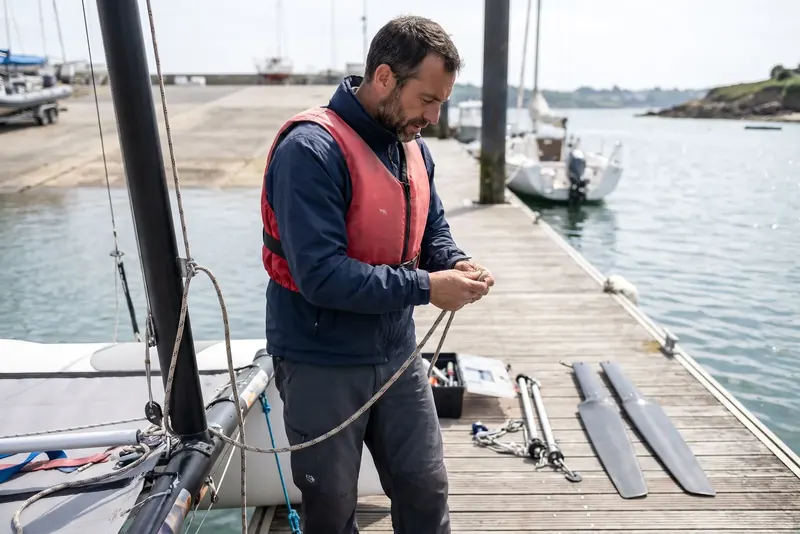
A typical session starts ashore with a safety briefing, a review of weather conditions, and an outline of the day's goals. You help prepare and rig the craft, then head onto the water for hands‑on drills at the helm and handling sheets. The lesson finishes with de‑rigging, stowing gear, and a constructive debrief.
How can I find a reliable sailing instructor, and what affects the cost?+
Ask fellow sailors at local clubs, read customer reviews, and compare written quotes or estimates. You can also describe your requirements on Kelki to receive a call back from a local sailing pro. Costs depend on private tuition versus group courses, the vessel used, afloat hours, and whether fuel, moorings, and specialised gear are included in the total price.