Kelki searches.A computer vision engineer calls you back.
Free · No obligation · A few clicks
Your need in one click
2.2 M+companies in our trades in CanadaYour request goes to the computer vision engineers in your area.
$0for your requestFree, no obligation, confirmed by you.
30 sto make your requestService, timeframe, town: a few clicks, and a professional calls you back.
Computer Vision Engineer nearby
Find an experienced Computer Vision Engineer to automate image and video analysis.
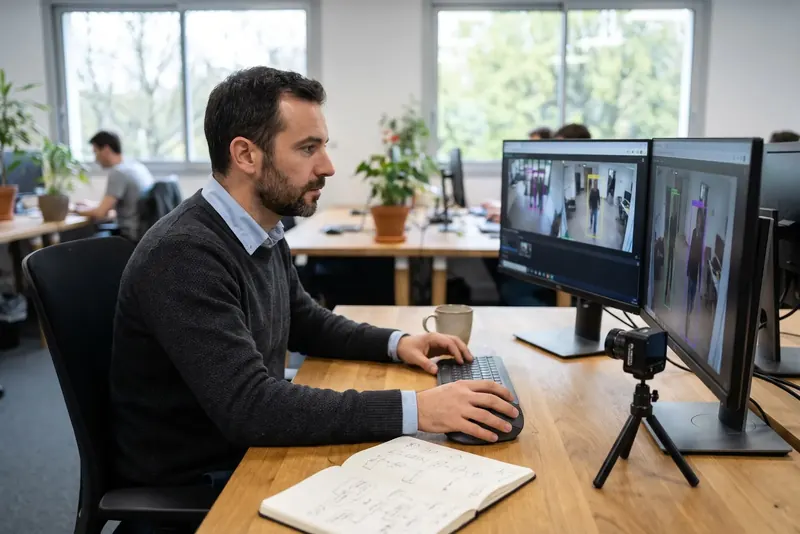
A computer vision consultant or Computer Vision Engineer designs and deploys custom software systems capable of interpreting digital images and live video streams. These pros train artificial intelligence models to identify shapes, measure parts, detect visual anomalies and automate processes. Their technical expertise supports manufacturing, security, supply chain operations and automated document processing across Canada.
Most projects run remotely between the engineer and your team. You supply your image datasets via a secure transfer protocol to train the underlying models. The pro handles the software development, evaluates detection accuracy and provides documented source code. Progress updates happen regularly via video calls, with on‑site visits arranged only when required to position optical hardware or validate production line feeds.
Your areaEverywhere in CanadaYour request goes to the computer vision engineers around you.
Your request · Computer Vision Engineer
Which service do you need?
Free · No obligation
Computer vision engineering services
Common service
Object Detection
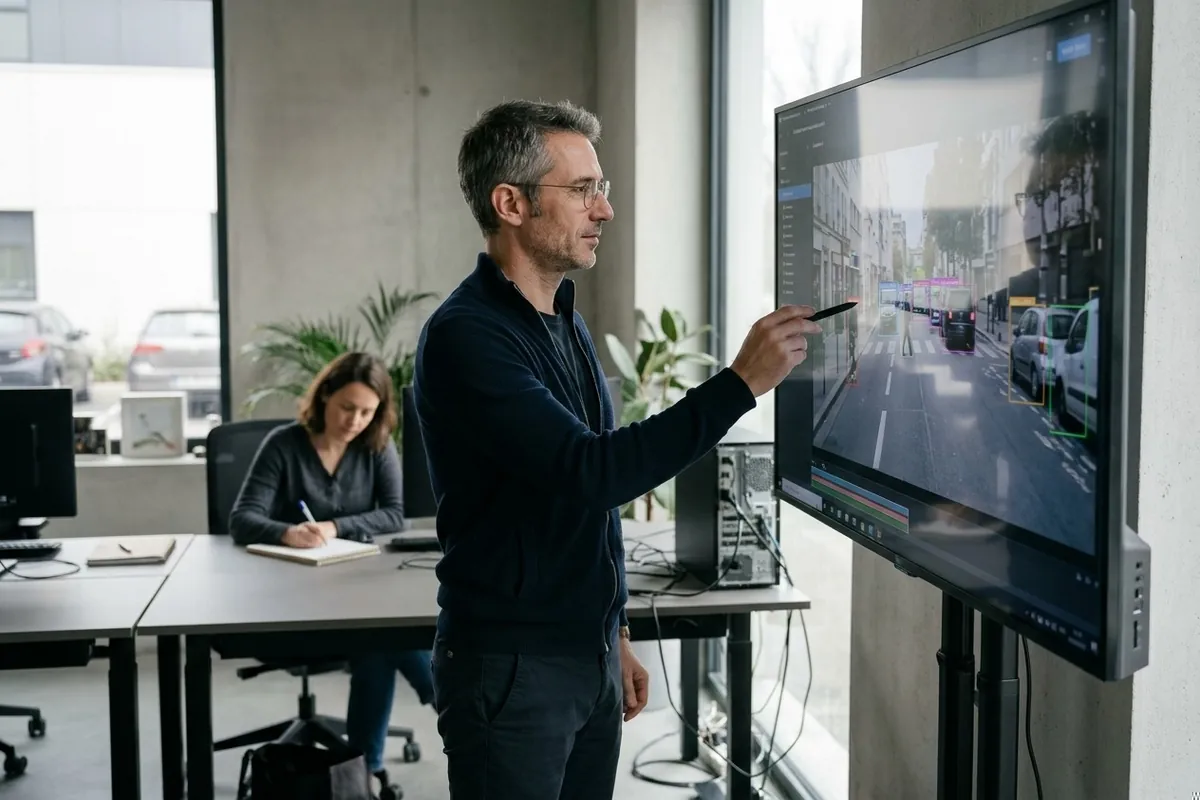
The pro builds and fine‑tunes models to locate and categorise specific items within images or video feeds. Typical use cases include tracking inventory, vehicle counting or monitoring pedestrian footfall. The engineer manages dataset preparation, calibrates the algorithm and supplies production‑ready code with complete documentation.
Free · No obligation
Common service
Industrial Defect Detection
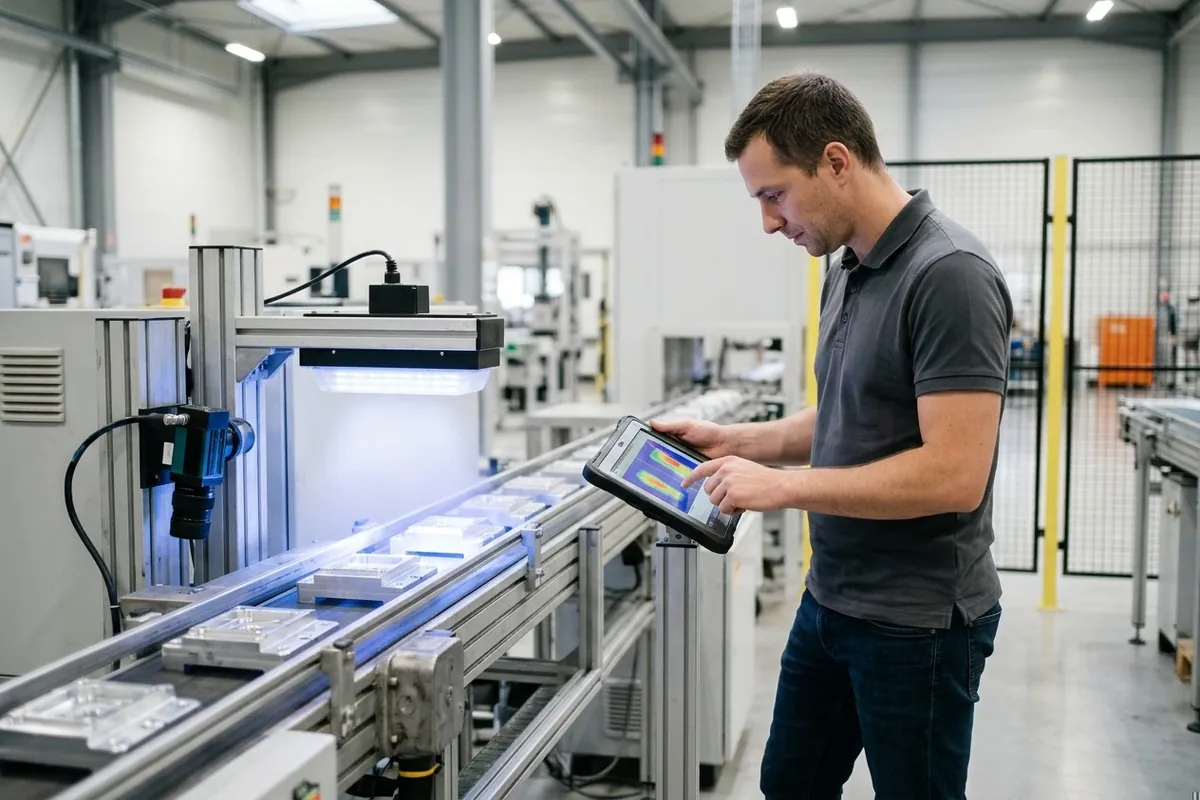
This service automates quality control directly on industrial production lines. The specialist configures a machine vision pipeline that spots cracks, burrs or dimensional variations. Work includes line‑speed throughput analysis, real‑time image processing and setting up automated alerts for operators.
Free · No obligation
Common service
Robot Vision Guidance
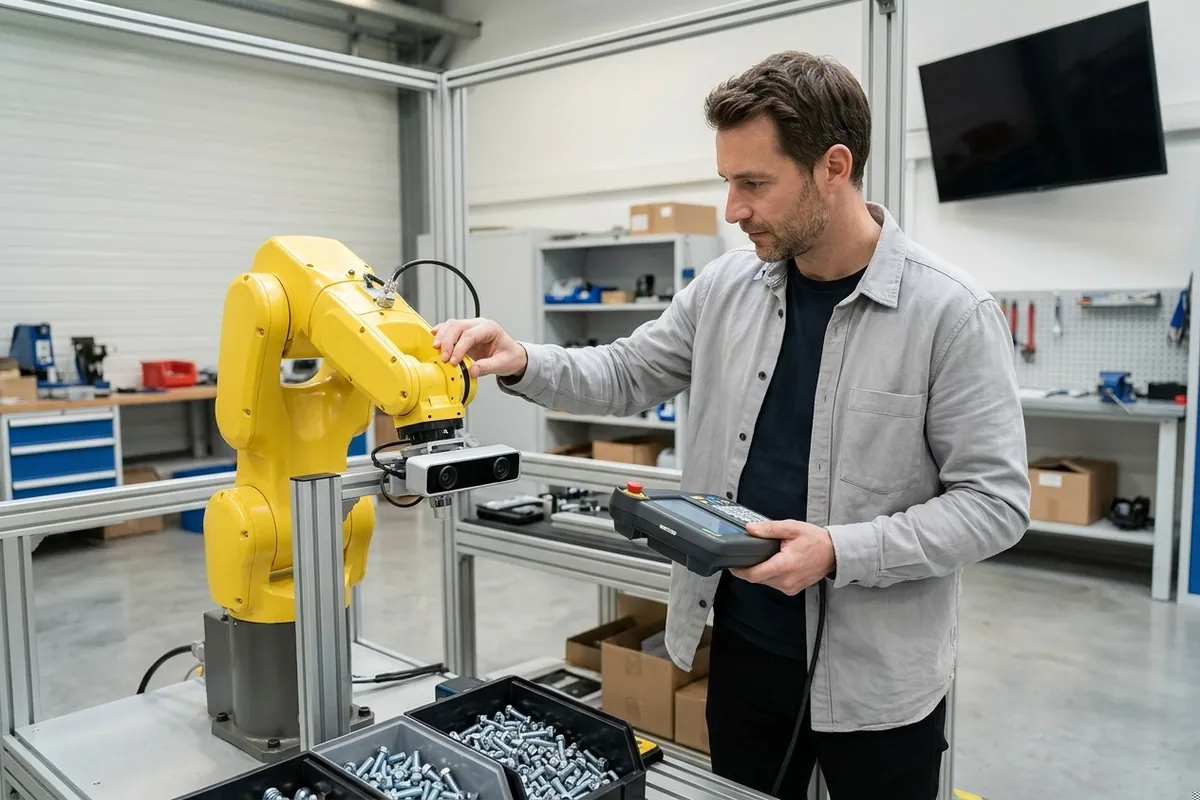
The engineer pairs imaging hardware with robotic arms to guide physical movements with high precision. Common applications include bin picking, tool positioning and assembly lines. The pro computes precise spatial coordinates from camera data and streams them directly to the robot controller.
Free · No obligation
Common service
Deep Learning Development
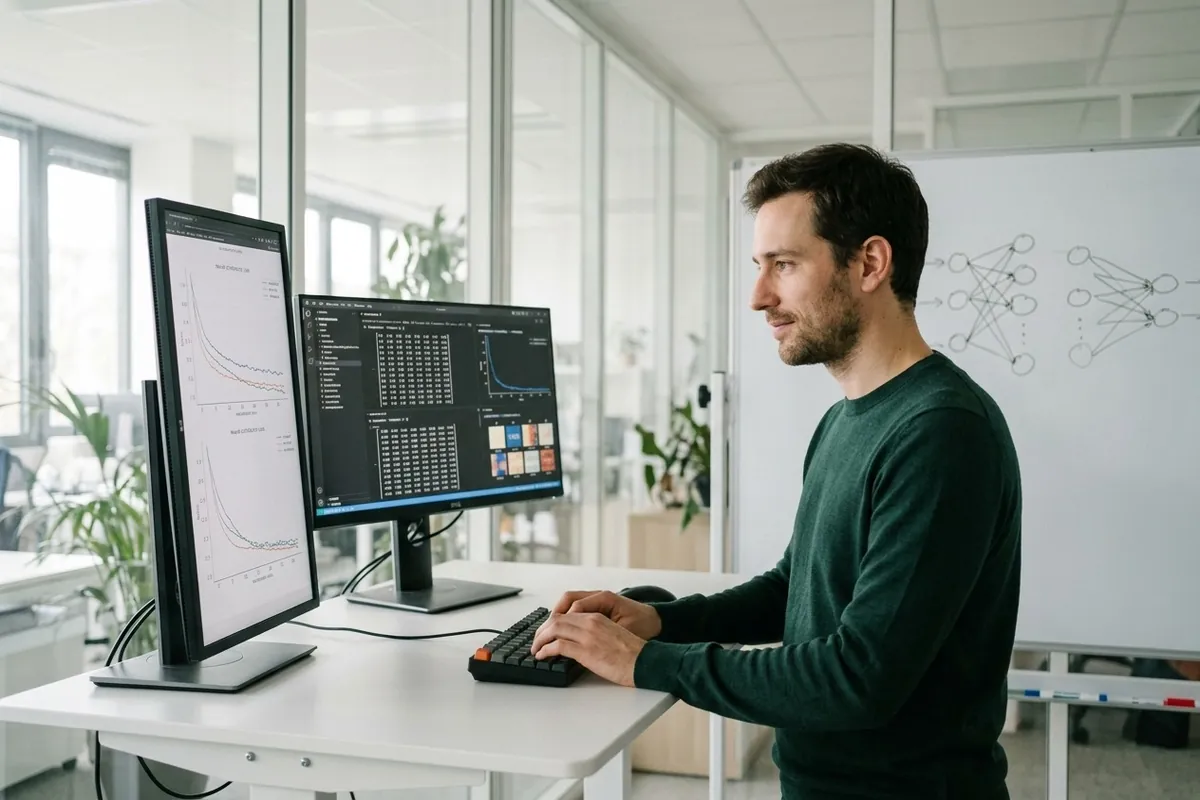
The pro develops custom neural network architectures tailored to complex visual recognition tasks. Work includes dataset cleaning, model training on dedicated compute instances and edge deployment optimisation. You receive an operational model complete with integration scripts and benchmarks.
Free · No obligation
Common service
Intrusion Detection
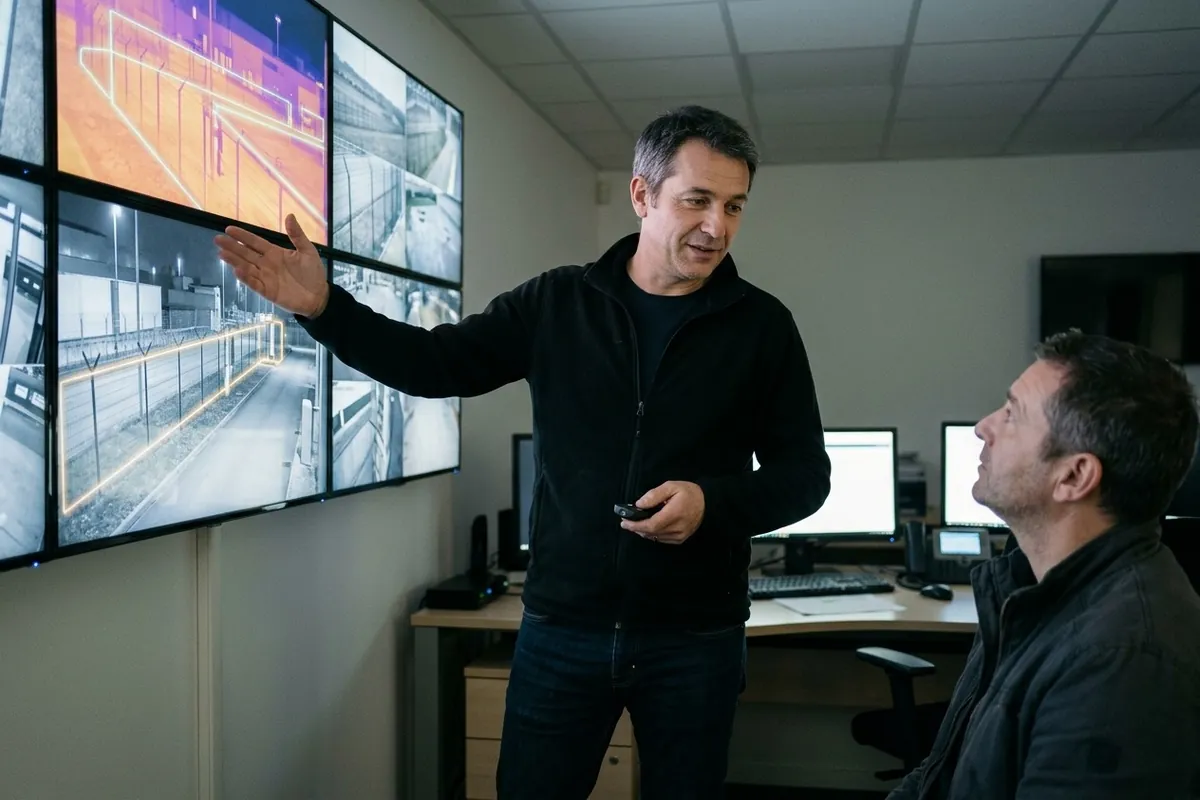
This solution turns existing CCTV feeds into automated security systems that flag boundary breaches. The engineer configures algorithms to distinguish people and vehicles from foliage movement or changing weather conditions. This substantially cuts false alarms across your commercial premises.
Free · No obligation
Common service
Component Presence Check
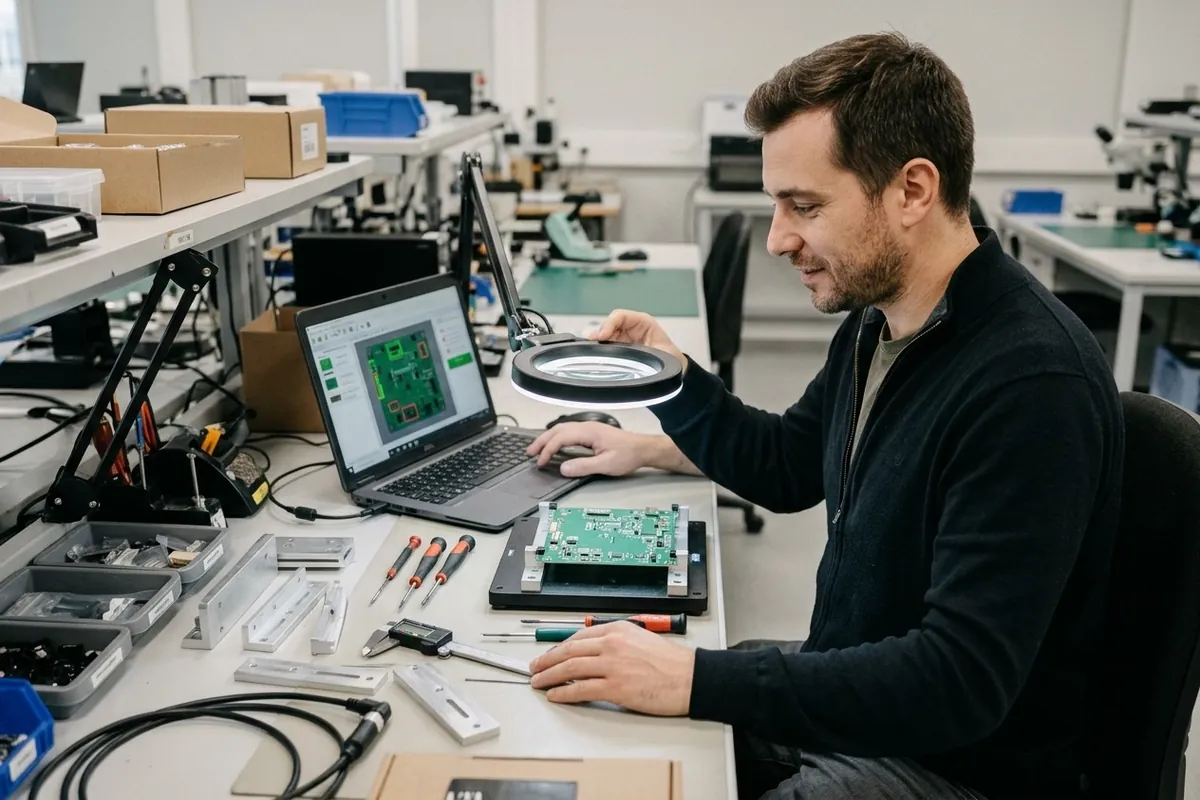
Automated verification ensures every required component is correctly placed before final packaging. The specialist sets up checks for missing fasteners, seals, labels or electronic connectors. The analysis software connects directly to your PLC systems to flag incomplete assemblies immediately.
Free · No obligation
Common service
Cosmetic Defect Detection
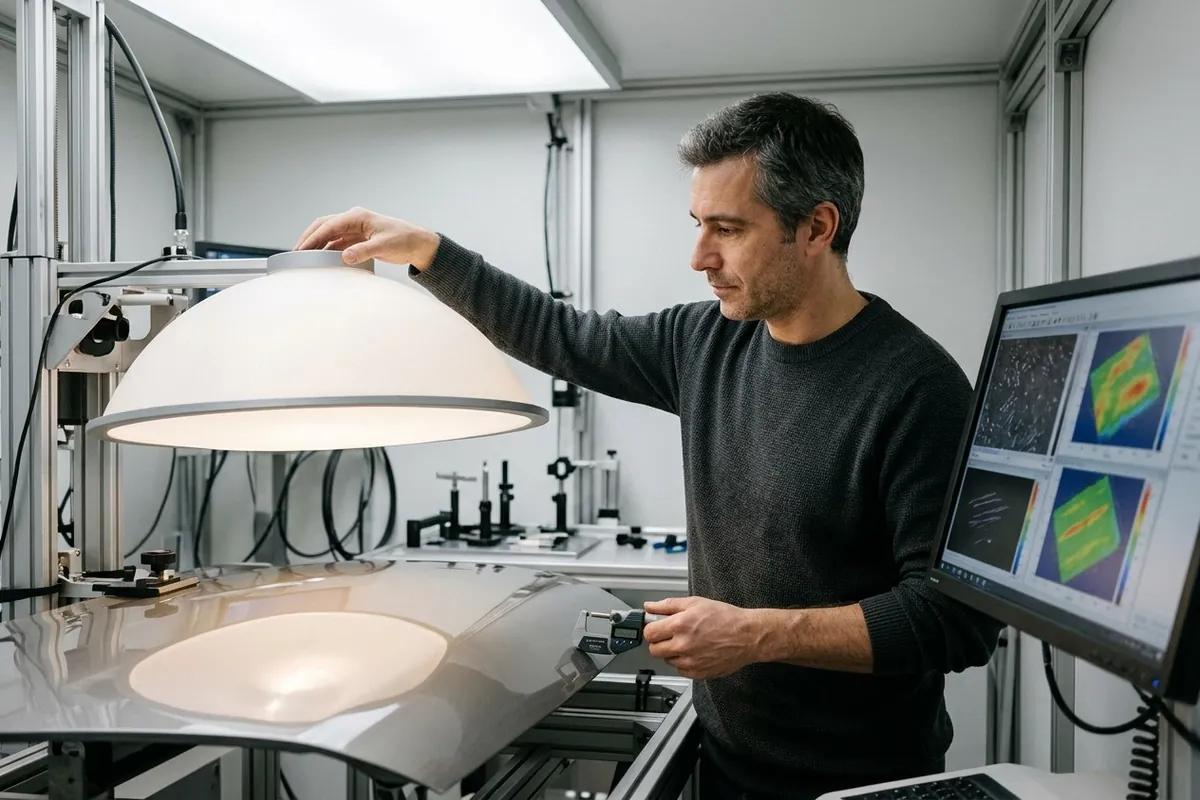
This work identifies micro‑scratches, blemishes or paint imperfections on finished surfaces. The engineer tunes digital filters and optical parameters to align with your quality benchmarks. You receive automated defect mapping for every unit inspected across the assembly run.
Free · No obligation
Common service
ID Verification
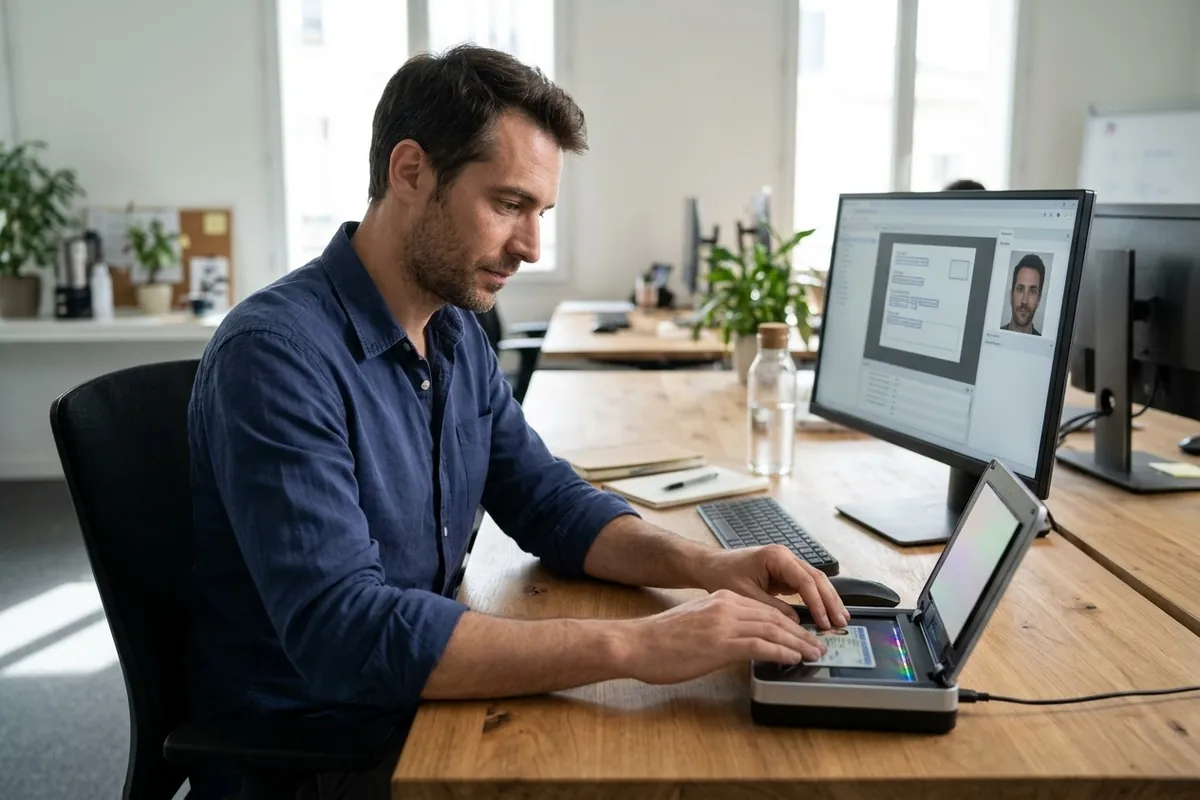
The pro develops optical character extraction modules to process passports, driver's licences and ID cards. The software automatically captures key personal details and verifies machine‑readable zones (MRZ). The resulting API integrates directly into your online onboarding workflows.
Free · No obligation
When to hire a computer vision consultant
K
Is this your situation? A professional in your area calls you back to discuss it.Free · No obligation
Ask for a detailed technical proposal outlining model training phases, dataset requirements and clear performance benchmarks.
✓Ask how the pro handles model validation, edge cases and ongoing drift.
✓Ensure the contract clearly sets out intellectual property ownership for the developed models and source code.
✓Review how your image data will be processed and stored, putting a non‑disclosure agreement in place before transferring any files.
✓Check relevant project experience or case studies in industrial automation or image processing.
✓Be wary of promises of flawless accuracy without an initial feasibility test on your actual data.
✓A dependable pro will always suggest testing on a representative dataset first.
What makes the price of a computer vision consultant
The total price depends on the technical scope of your project. The pro will provide a firm quote or an estimate based on the factors below.
What affects the price
Volume and complexity of image annotation required
Sophistication of the selected neural architecture
Runtime hardware constraints and inference latency targets
Requirement for on‑site hardware setup or line testing
Good to know
Price rules vary by province: the information on this page applies nationwide.
Get a call back from a computer vision consultant
For each service and each town, Kelki explains the essentials: the services, when to call a pro and pointers to choose well. With « Call me back », you describe your need in a few clicks: your request goes to a professional of the trade in your area, and you then deal with them directly.
Your requestFree
TradeComputer Vision EngineerLocationEverywhere in CanadaServiceTo chooseTimeframeYou choose
A pro in your area calls you back · free
Your most common questions
How does a remote computer vision project work?+
The project begins with a scoping session via video call to define your requirements. You provide a representative image sample using a secure transfer link. The engineer runs algorithmic tests and refines model architectures on dedicated compute systems. Regular check‑ins keep you updated on progress, and the pro ultimately delivers trained weights, integration code and technical documentation.
What deliverables will the engineer supply?+
The pro delivers the trained model files in an agreed standard format (such as ONNX). You also receive clean source code for data preprocessing, inference pipelines, training scripts and setup documentation. This guide details deployment steps, hardware settings and precision benchmarks achieved during validation.
How is image data kept secure and confidential?+
Data protection starts with signing an NDA before any files change hands. Datasets are moved and stored using encrypted channels with restricted access. The pro commits contractually never to share your proprietary imagery or company data. At the end of the project, data is securely erased or archived according to your instructions.
What type of agreement governs this service?+
The engagement is typically governed by a detailed written quote or statement of work alongside a standard services agreement. This outlines the scope of work, project milestones, payment schedules and IP assignment terms. You can compare written quotes or estimates from specialists to decide on the best fit.
What data do I need to supply to begin?+
You will need to supply a representative sample of images or video recordings captured in conditions matching your live environment. This must include standard production runs as well as examples of defects or targets. If your dataset lacks labeling, the engineer can include data annotation within their quote.
Do I need dedicated hardware to run the model?+
Hardware requirements depend on your speed targets and whether processing takes place locally or in the cloud. High‑speed factory lines usually require an edge device with a dedicated GPU. Batch document processing can often run on standard cloud servers. The pro will outline system specs during the scoping stage.
How are remote progress reviews handled?+
Reviews take place by video call on a schedule set out in the proposal. The engineer shares progress dashboards, error metrics and live visual tests on holdout datasets. Daily or weekly queries are managed through email or messaging channels, backed up by regular written summary notes.
How do I choose the right pro for my vision project?+
Ask industry contacts for recommendations, read verified reviews and evaluate previous client work. Request detailed written quotes to compare technical approaches and timelines. You can also describe your requirements on Kelki to receive a call back directly from an experienced pro.
Need a computer vision consultant?? Get a call back.
Free · No obligation · Describe your need in a few clicks
Computer Vision EngineerEverywhere in CanadaComputer vision consultant request · Free · No obligationCall me back
K
Kelki AgentI connect you with pros in over 1,000 trades, in Canada.
Hello, I’m the Kelki Agent. Tell me what you need: I’ll find the right pro for you, close to home.
Messages are analyzed by an AI to understand your need, and are not stored. Privacy
Cookies
We use cookies to improve your experience and analyze site traffic. About our cookies