Kelki searches.A self‑Storage facility calls you back.
Free · No obligation · A few clicks
Your need in one click
2.2 M+companies in our trades in CanadaYour request goes to the self‑Storage facilities in your area.
$0for your requestFree, no obligation, confirmed by you.
30 sto make your requestService, timeframe, town: a few clicks, and a professional calls you back.
Self‑Storage Facility nearby
A local self‑storage facility near you to store furniture, boxes and belongings during a move.
A Self‑Storage Facility provides storage units and secure spaces for homeowners, renters and businesses. Whether you need an individual self‑storage unit or sealed wooden containers for furniture, boxes or archives, these providers keep your items dry and protected. Using a professional near you frees up space during a house move, estate clearance or home renovations. Access to your unit follows the facility's set opening hours or entry systems.
When reserving your unit, you select the size you need before signing an agreement. A brief check of the unit and a security deposit usually accompany receiving access keys or codes. Belongings are then loaded in by you or your moving team. When storing items in your area, it is best to check the access rules, ventilation, and required insurance coverage.
Your areaEverywhere in CanadaYour request goes to the self‑Storage facilities around you.
Your request · Self‑Storage Facility
Which service do you need?
Free · No obligation
Self‑storage services
Common service
Self‑storage unit
Renting a self‑storage unit gives you private, secure space to store personal belongings or business equipment. You choose the floor space you need on a flexible or fixed‑term rolling agreement. It is ideal if you are running out of room at home or need a clean, dry lock‑up for commercial stock.
Free · No obligation
Common service
Moving storage
Moving storage provides a practical buffer between properties or during extensive home renovations. Furniture and packed boxes can be kept safely out of the way until closing day or moving in. This service suits buyers facing delayed closing dates or anyone painting before unpacking.
Free · No obligation
Common service
Moving boxes
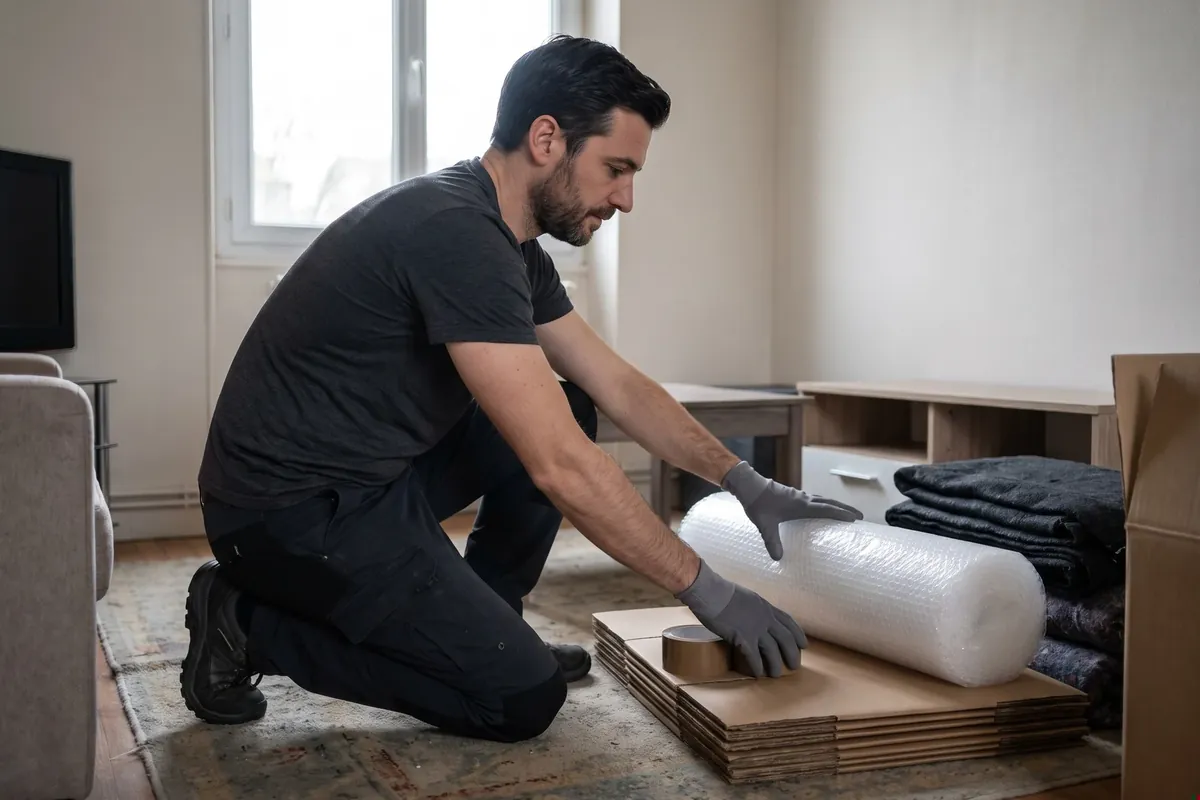
Sturdy moving boxes and packing supplies protect your items throughout handling, transport, and stacking. Facilities stock standard cardboard cartons, heavy‑duty archive boxes, partitioned dish packs, and wardrobe boxes. Getting these supplies early helps streamline your entire move.
Free · No obligation
Common service
Padlocks
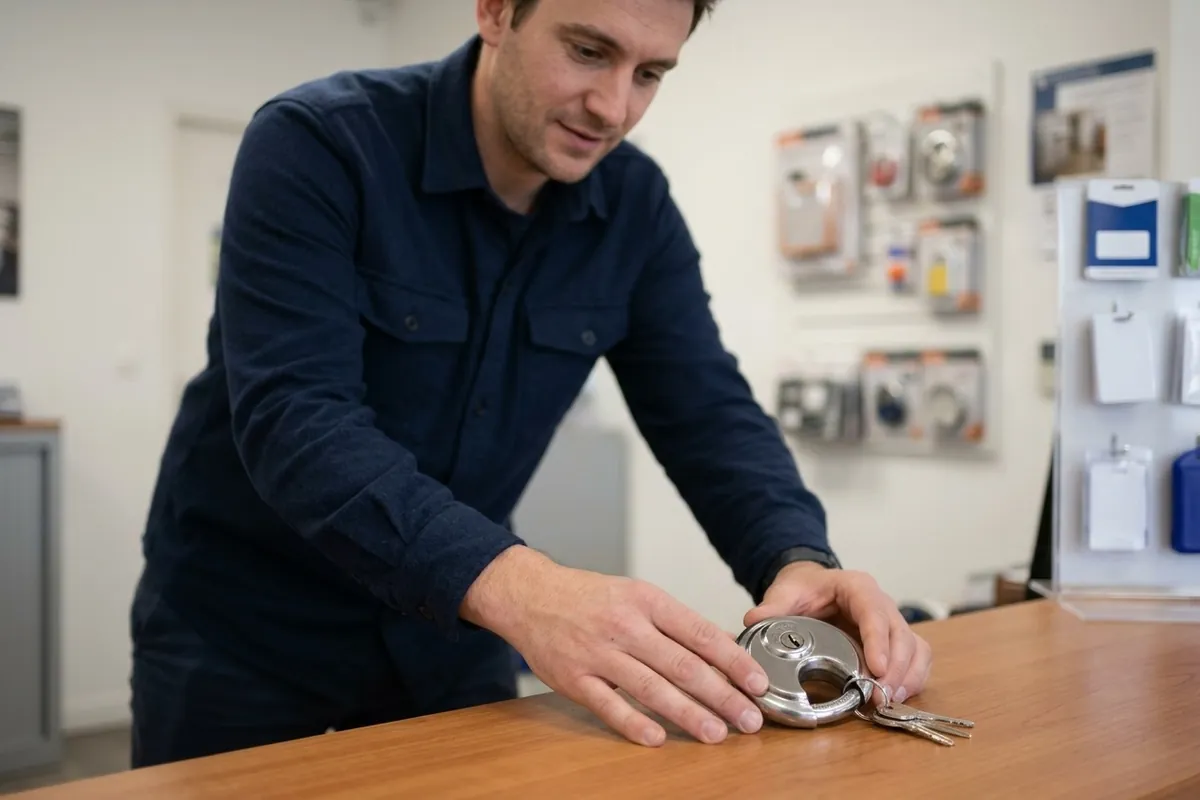
High‑security padlocks provide the dedicated physical locking required to secure your unit door. Facilities supply hardened steel, disc padlocks, or combination locks sized to fit standard storage latching bars. You can purchase one directly at reception when finalizing your rental agreement.
Free · No obligation
Common service
Hand truck usage
On‑site dollies, pallet jacks, and hand truck usage make moving bulky furniture and heavy totes from your vehicle completely straightforward. These platform carts and handling aids are kept in the loading bays and hallways for customer use, minimizing heavy lifting.
Free · No obligation
Common service
Household storage
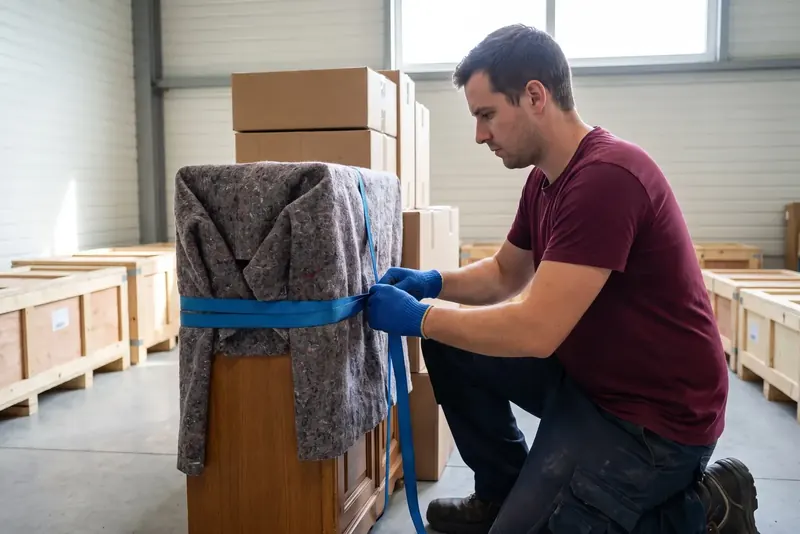
Household containerised storage keeps your furniture inside sealed wooden crates within a monitored warehouse. Unlike walk‑in self‑storage units, these crates remain sealed and are retrieved by prior arrangement. It is a cost‑effective option for long‑term storage or relocations abroad.
Free · No obligation
Common service
Moving services
Moving services handle the pickup and transport of your belongings straight from your doorstep to your storage unit. The team loads a cube van or moving truck, drives your items to the facility, and unloads them securely inside. It saves renting a van or doing heavy lifting yourself.
Free · No obligation
Common service
Storage insurance
Storage insurance protects your stored items against damage from fire, water ingress, or theft. Storage operators require a declared replacement value and offer dedicated coverage alongside the rental agreement. You can take out this dedicated coverage or arrange an extension through your existing home contents insurer.
Free · No obligation
When to use a self‑storage facility
K
Is this your situation? A professional in your area calls you back to discuss it.Free · No obligation
Before booking a unit, visit the facility to inspect hallway cleanliness, lighting, security doors, and proper ventilation.
✓Request a written quote or detailed estimate confirming the exact unit size, cubic capacity, and termination terms.
✓Check facility operating hours, whether loading bays are covered, and how pest control and humidity are managed.
✓Review the rental agreement and the required insurance terms carefully.
✓Be cautious of unusually low headline rates that conceal high administration charges, mandatory padlock purchases, or rigid cancellation periods.
✓Always inspect the unit condition and keep a copy of your signed agreement.
What makes the price of a self‑storage facility
The total amount to pay depends primarily on the factors below. The exact price will be provided in a quote or sufficiently detailed estimate tailored to your requirements.
What affects the price
The floor area or cubic volume of the unit
The geographical location and accessibility of the facility
The position of the unit, such as ground‑floor access versus upper levels
The overall duration of the rental period
Good to know
Price rules vary by province: the information on this page applies nationwide.
Get a call back from a self‑storage facility
For each service and each town, Kelki explains the essentials: the services, when to call a pro and pointers to choose well. With « Call me back », you describe your need in a few clicks: your request goes to a professional of the trade in your area, and you then deal with them directly.
Your requestFree
TradeSelf‑Storage FacilityLocationEverywhere in CanadaServiceTo chooseTimeframeYou choose
A pro in your area calls you back · free
Self‑Storage Facility by province
Choose your province or territory, then your town.
Unit size depends on the overall volume of your belongings, calculated in square feet or cubic capacity. A local facility near you can help assess your inventory based on the size of your current property. Getting guidance on packing and stacking allows you to rent only the space you genuinely need.
Can I access my storage unit on weekends near you?+
Access hours depend on the facility. Most modern self‑storage sites near you provide electronic keypad or fob access that includes weekends and statutory holidays, sometimes with extended evening access. Traditional warehouse crate storage, however, is normally accessible only during staffed weekday business hours by appointment.
What is the difference between containerised storage and self‑storage?+
The main difference is convenience and access frequency. With self‑storage, you hold the key and can visit your personal unit whenever open hours permit. Containerised household storage involves packing items into large wooden crates stacked inside a secure warehouse, which is better suited for long‑term storage without regular access.
What items are prohibited in a storage unit?+
Hazardous, flammable, toxic, or explosive materials such as propane tanks, gasoline, and paint thinners are strictly forbidden. Perishables, unsealed food, plants, and animals cannot be kept in units. Storing illegal goods, stolen items, or unregistered firearms is also strictly prohibited under facility rules.
Is insurance required when renting a unit?+
Yes, reputable storage facilities require proof of insurance coverage before moving in. You must declare a replacement value for your goods so an adequate policy is in place. You can opt for the storage facility's policy or provide proof that your tenant or homeowner insurance covers items in commercial storage.
What documents do I need to rent a storage unit?+
You typically need a valid photo ID, such as a passport or driver's licence, and a recent utility bill or bank statement as proof of address. Businesses must provide proof of trading or company registration details. A debit or credit card is needed for payments and a refundable security deposit.
How do I cancel my storage rental agreement?+
Canceling requires giving the written notice specified in your rental contract, typically between 7 and 14 days. You can submit notice by email or via your online customer account. Once the unit is emptied, swept clean, and your padlock is removed, your account is settled and any deposit returned.
How do I prevent damp when storing furniture?+
Use breathable fabric drop sheets or moving blankets rather than wrapping wooden furniture tightly in plastic, which traps moisture. Raise mattresses and soft furnishings off the bare concrete floor using pallets or cardboard. Ensure household appliances like washing machines and refrigerators are fully drained, defrosted, and dry, and leave their doors slightly ajar.
Need a self‑storage facility?? Get a call back.
Free · No obligation · Describe your need in a few clicks
Self-Storage FacilityEverywhere in CanadaStorage unit inquiry · Free · No obligationCall me back
K
Kelki AgentI connect you with pros in over 1,000 trades, in Canada.
Hello, I’m the Kelki Agent. Tell me what you need: I’ll find the right pro for you, close to home.
Messages are analyzed by an AI to understand your need, and are not stored. Privacy
Cookies
We use cookies to improve your experience and analyze site traffic. About our cookies