Kelki searches.A custom operator in Waterloo calls you back.
Free · No obligation · A few clicks
Your need in one click
2.2 M+companies in our trades in CanadaYour request goes to the custom operators in your area.
$0for your requestFree, no obligation, confirmed by you.
30 sto make your requestService, timeframe, town: a few clicks, and a professional calls you back.
Custom Operator nearby
A custom operator for farm contracting in Waterloo to delegate your crop and harvesting work.
A custom operator provides farm contracting services to carry out mechanized operations for farmers or local authorities in Waterloo. They provide specialized equipment with an operator to prepare the soil, seed, spread fertilizer, or harvest fields. These custom farming services allow you to complete seasonal work without investing in expensive machinery. The pro adapts their passes according to crop maturity, the weather, and the agronomic instructions provided by the farmer.
Organising a job starts with assessing the areas and fields to be worked in Waterloo. The custom operator plans the operation, transports their machinery, and applies the rates or populations agreed upon with the farmer. At the end of the job, they provide a field sheet or invoice detailing the actual acreage and volumes treated. This information then allows the farmer to update their own statutory farm records.
Your areaEverywhere in CanadaYour request goes to the custom operators around you.
Your request · Custom Operator
Which service do you need?
Free · No obligation
Farm contracting services
Common service
Grain harvesting
Grain harvesting uses a combine equipped to cut and thresh ripe wheat, barley, or canola. The operator adjusts the header, rotor speed, and sieves to minimize grain loss. The service includes unloading on the go or into a grain cart at the headland.
Free · No obligation
Common service
Corn harvesting
Corn harvesting is carried out using a corn header mounted on the combine. This operation takes place in the fall as soon as the grain moisture reaches the desired level. The operator adjusts the row spacing and chops residue stalks to facilitate subsequent tillage.
Free · No obligation
Common service
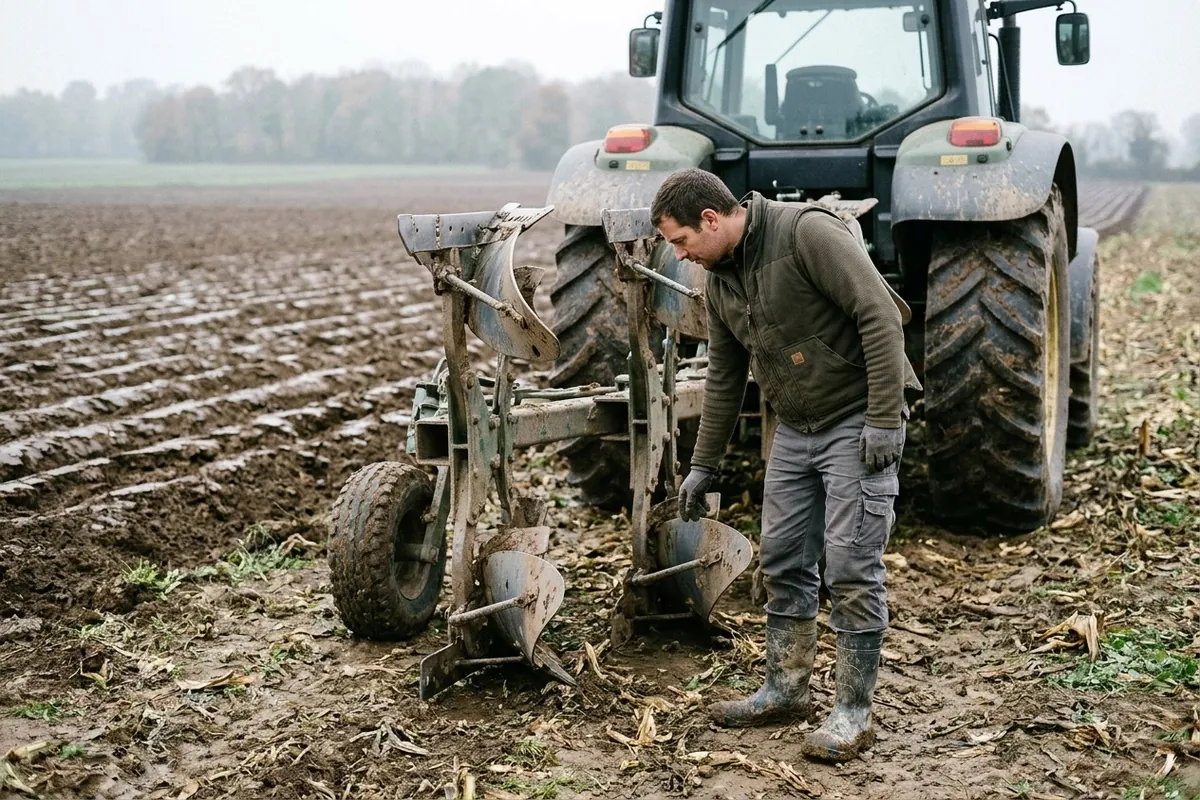
Plowing
Plowing involves turning the soil with a mounted or semi‑mounted plow to bury crop residue and loosen topsoil. This primary tillage prepares the seedbed before winter or in the spring. The operator adjusts the depth according to the soil type.
Free · No obligation
Common service
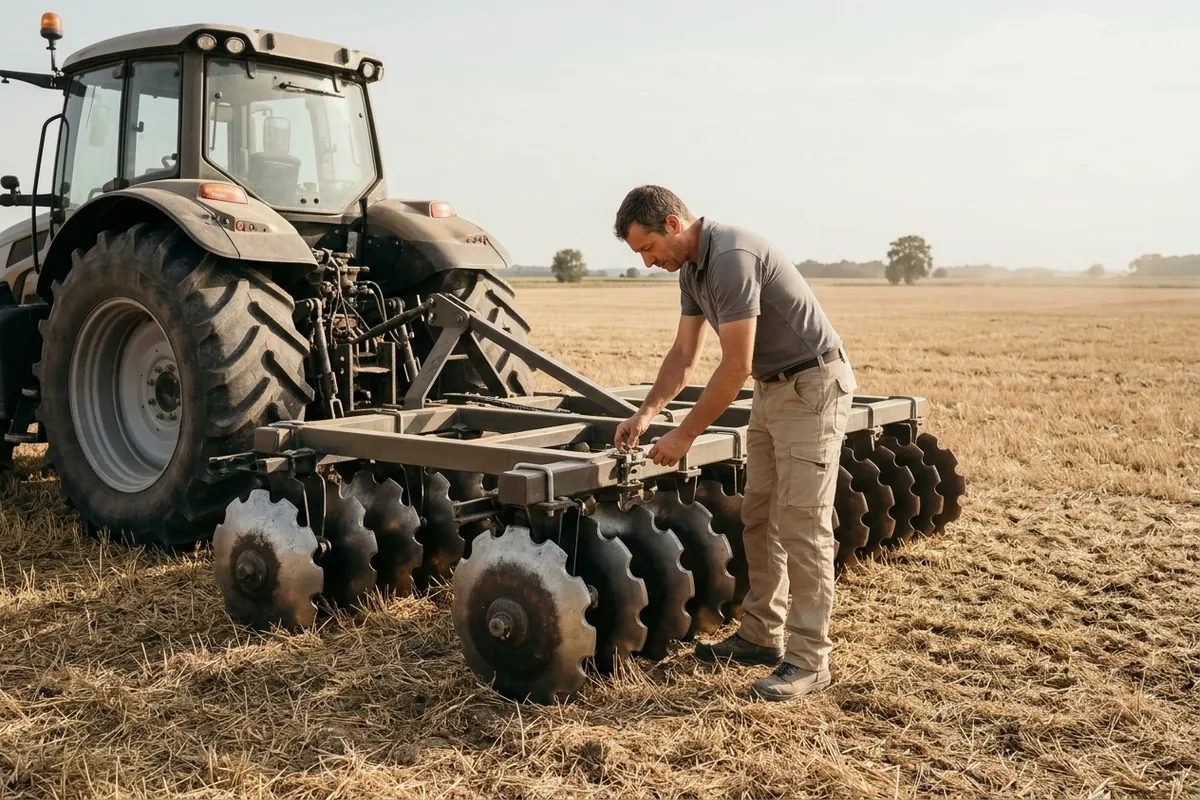
Disk harrowing
Disk harrowing is carried out right after harvest using a heavy disk or vertical tillage tool. This shallow pass incorporates stubble, destroys weeds, and stimulates volunteer seeds to germinate. It also limits the evaporation of soil moisture during the summer.
Free · No obligation
Common service
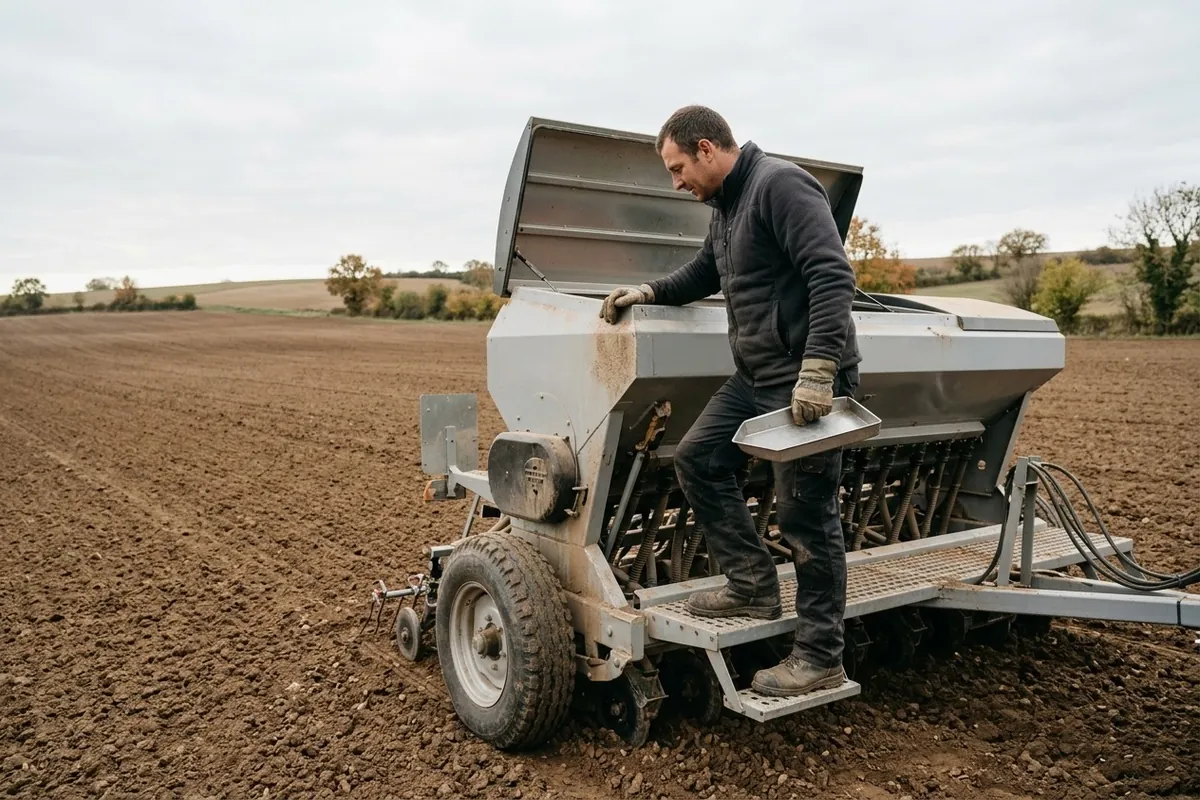
Grain drilling
Grain drilling involves seeding wheat, barley, or triticale using an air seeder or mechanical drill. The operator calibrates the metering unit to ensure the correct seeding rate per acre or hectare. The operation can combine seedbed preparation and seeding in a single pass.
Free · No obligation
Common service
Corn planting
Corn planting requires a precision planter to place each seed at a consistent depth and spacing. The operator adjusts the row width and down pressure on the row units. They can combine planting with in‑furrow starter fertilizer or granular application according to the farmer's plan.
Free · No obligation
Common service
Manure slurry application
Manure slurry application distributes liquid manure onto fields using a tanker or dragline equipped with a dribble bar or injector. This equipment reduces ammonia loss and minimizes odors. The operator applies the prescribed volumes in compliance with applicable environmental guidelines.
Free · No obligation
Common service
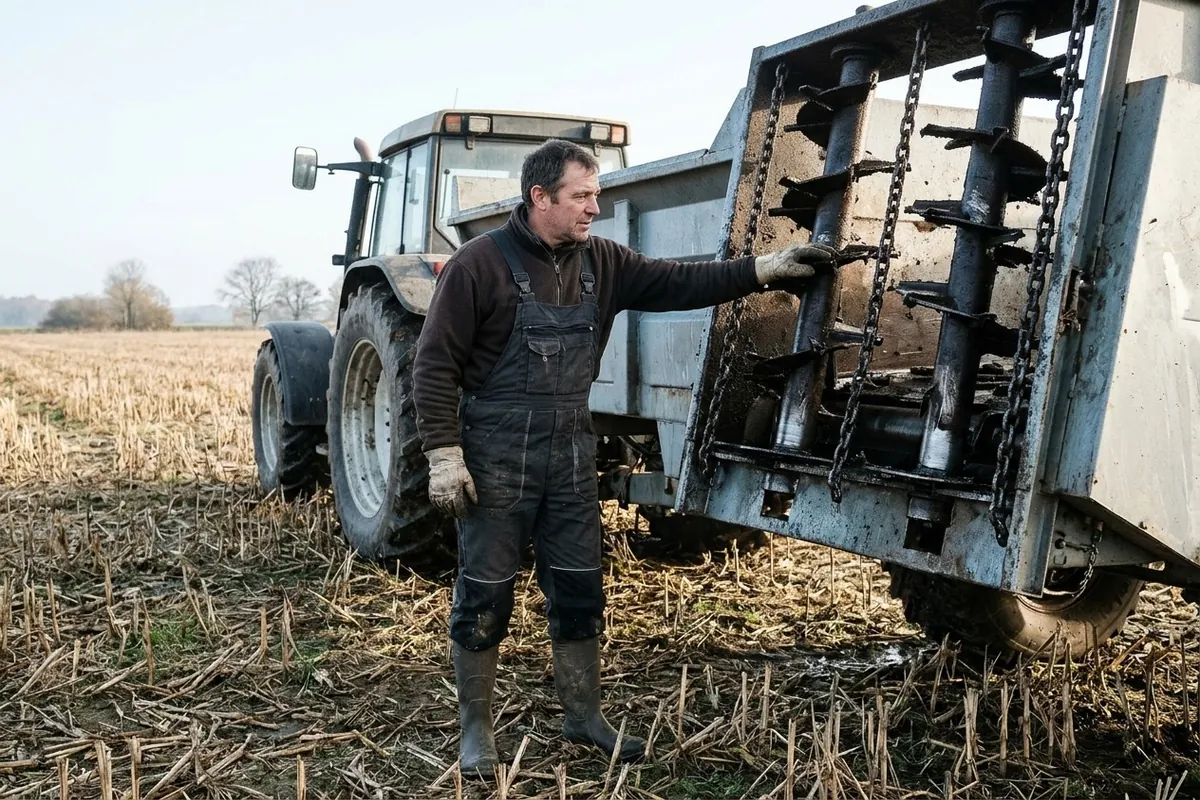
Manure spreading
Manure spreading involves evenly distributing solid livestock manure across farm fields. The pro uses a rear‑discharge manure spreader with vertical beaters or spinners to calibrate application rates. The application replenishes organic matter and nutrients ahead of seeding.
Free · No obligation
When to hire a custom operator
K
Is this your situation? A professional in your area calls you back to discuss it.Free · No obligation
Confirm the business details and experience of the custom operator.
✓Ask about liability insurance covering custom field operations and equipment road travel.
✓Request a written estimate detailing the make, model, and working width of the machinery used.
✓The estimate should specify the billing method, whether per acre, per hectare, or per hour.
✓Clarify whether fuel is included and note the estimated work rate.
✓For pesticide or regulated applications, confirm the operator holds any required provincial applicator certificates.
✓Discuss the timeline and the availability of experienced equipment operators.
✓Avoid vague proposals that do not specify the weather conditions under which the work would be postponed.
What affects the price of a custom operator
The total amount depends on several factors. The exact price is the one the pro provides on their estimate for your project.
What affects the price
Total acreage and field layout
Type of equipment and machinery power
Whether or not fuel is included
Travel distance between the shop and the fields
Good to know
Price rules vary by province: the information on this page applies nationwide.
Get a call back from a custom operator
For each service and each town, Kelki explains the essentials: the services, when to call a pro and pointers to choose well. With « Call me back », you describe your need in a few clicks: your request goes to a professional of the trade in your area, and you then deal with them directly.
Your requestFree
TradeCustom OperatorLocationEverywhere in CanadaServiceTo chooseTimeframeYou choose
A pro in your area calls you back · free
Your town in Waterloo
Major cities first, then all towns in alphabetical order. One click: your request is sent with the right location.
To find a custom operator in Waterloo, describe your project on Kelki, noting crop types, acreage, and timing, to get a call back from a local pro. They will provide a proposal tailored to your schedule and acreage.
Does a custom operator based in Waterloo travel to surrounding areas?+
Yes, custom operators regularly travel within a wide radius around their home base. Float or road transport costs for moving large farm machinery are generally included in the estimate or billed based on travel distance.
What is the difference between a custom operator and a machinery cooperative?+
A custom operator runs a business providing turnkey fieldwork services with equipment and an experienced driver. A machinery sharing pool or coop is an arrangement where producers buy and share equipment, usually operating it themselves.
Is fuel included in farm contracting services?+
Both billing arrangements are common on estimates. Some custom contracts include farm diesel supplied by the operator, while others stipulate that the customer provides the fuel. This condition must be clearly stated in writing.
What should you clarify before farm fieldwork starts?+
Verify commercial liability insurance coverage for machinery road transport and field operations. For pesticide applications, ask about the company's business license for commercial application as well as the required individual applicator certifications for operators. Always request a written estimate or agreement for the work.
How is custom harvesting or seeding billed?+
Invoicing is typically based on surface area (per acre or hectare) for planting, tillage, and harvesting. Certain operations, such as manure spreading or grain carting, may be billed by the hour or by volume.
Who is responsible for operational guidelines during custom field work?+
Responsibility is shared between the farm manager and the custom operator. The grower determines crop inputs, application targets, and field boundaries. The custom operator is responsible for machinery operation, equipment condition, and following application setbacks. They monitor weather conditions, wind speeds, and field buffer zones.
What happens if weather interferes on the scheduled day?+
Agricultural work is directly dependent on weather conditions. The operator and the farmer will agree to adjust the schedule whenever high soil moisture or rain could harm field conditions or cause soil compaction.
Need a custom operator?? Get a call back.
Free · No obligation · Describe your need in a few clicks
Custom OperatorEverywhere in CanadaCustom operator request · Free · No obligationCall me back
K
Kelki AgentI connect you with pros in over 1,000 trades, in Canada.
Hello, I’m the Kelki Agent. Tell me what you need: I’ll find the right pro for you, close to home.
Messages are analyzed by an AI to understand your need, and are not stored. Privacy
Cookies
We use cookies to improve your experience and analyze site traffic. About our cookies