Kelki searches.A structural engineer in Hamilton calls you back.
Free · No obligation · A few clicks
Your need in one click
2.2 M+companies in our trades in CanadaYour request goes to the structural engineers in your area.
$0for your requestFree, no obligation, confirmed by you.
30 sto make your requestService, timeframe, town: a few clicks, and a professional calls you back.
Structural Engineer nearby
A structural engineer in Hamilton to inspect your walls, identify causes, and recommend the right remedial work.
A structural engineer examines damage affecting a building's walls, floors, and foundations. They often step in after long dry spells or ground movement to identify the underlying cause of structural defects and assess any risk to the property. They then advise on the appropriate remedial actions. Hiring a structural engineer in Hamilton ensures you get independent, objective technical advice before contracting any repair work.
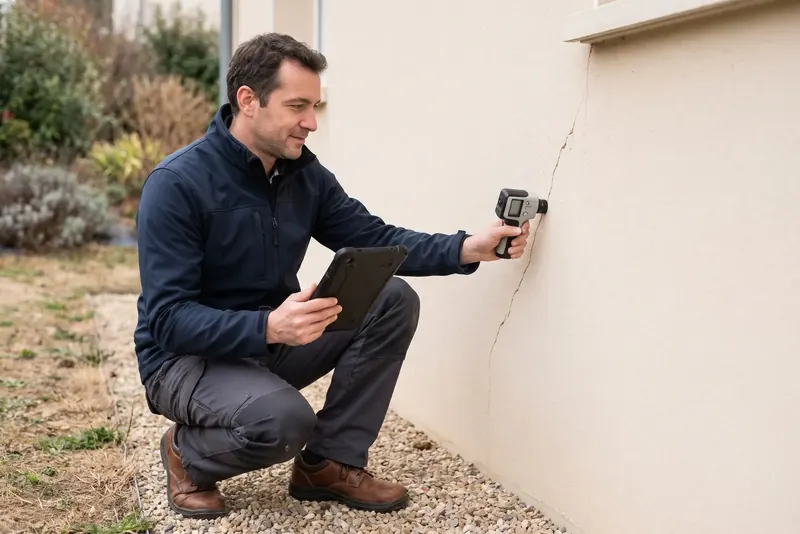
During an on‑site visit, the pro inspects the property inside and out. They check the alignment of openings, test wall materials, and review the local ground conditions in Hamilton. Their findings are compiled into a comprehensive structural report. This technical document sets out the condition of the building, prioritises urgent issues, and guides you on necessary structural repairs or home insurance claims.
Your areaEverywhere in CanadaYour request goes to the structural engineers around you.
Your request · Structural Engineer
Which service do you need?
Free · No obligation
Structural engineering services
Common service
Foundation crack inspection
This service examines differential ground movement caused by soil shrinkage and subsidence during dry periods. The pro assesses the effect of soil drying out beneath the property's foundations. They compile a technical report detailing the link between the cracks and ground movement to help with your insurance claim.
Free · No obligation
Common service
Structural integrity assessment
A structural integrity assessment evaluates the overall stability of the building and the load‑bearing capacity of cracked walls. The pro inspects foundations, floors, beams, and roof timbers. This assessment is essential when wide, through‑wall cracks appear to determine whether there is any risk of structural failure.
Free · No obligation
Common service
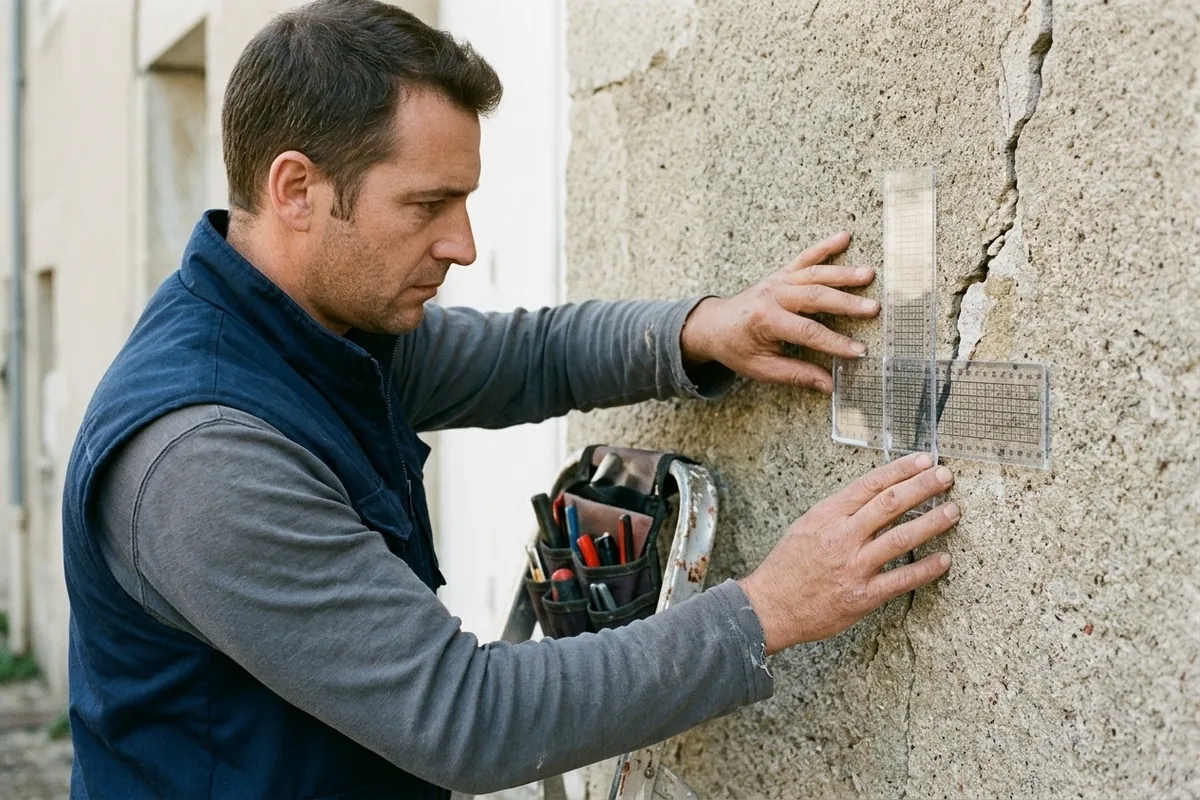
Crack gauge installation
Fitting crack gauges tracks movement and crack activity over time. The specialist installs calibrated plastic gauges or glass monitors across structural cracks. Periodic monitoring indicates whether cracks are worsening, moving seasonally, or completely stable before any major repairs begin.
Free · No obligation
Common service
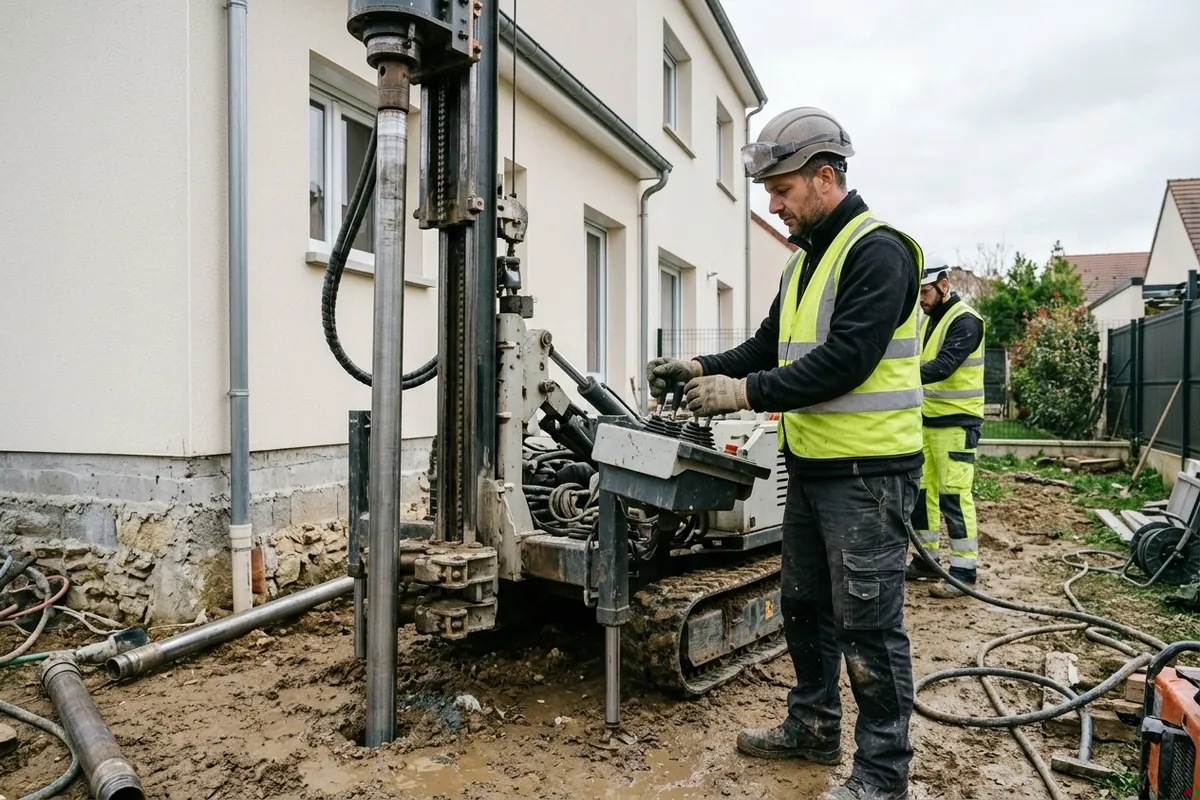
Polyurethane foam injection
The engineer assesses whether polyurethane foam injection is suitable to stabilise the ground beneath your foundations. They evaluate whether this solution matches your soil type and structural issues. The pro defines the scope of work required before you hire specialist ground engineering contractors.
Free · No obligation
Common service
Underpinning
The pro analyses whether underpinning or mini‑piling is necessary to stabilise a subsiding home. When dealing with deep ground movement, they evaluate shallow foundation suitability. The technical report outlines support recommendations, serving as a blueprint for ground specialists and piling contractors.
Free · No obligation
Common service
Foundation crack repair
The pro recommends the appropriate repair specification once structural movement has stopped entirely. They inspect the fissures to determine the best method, such as crack stitching or grout injection. Their independent opinion keeps you from undertaking premature cosmetic repairs on an unstable wall.
Free · No obligation
Common service
Insurance claim assistance
This service guides homeowners through the technical steps when dealing with insurance adjusters and representatives. The specialist prepares technical evidence, particularly regarding subsidence and ground movement. They help you address disputes over rejected claims or inadequate scopes of repair.
Free · No obligation
Common service
Pre‑purchase foundation inspection
This inspection informs prospective buyers about the severity of cracks spotted during home viewings. The specialist assesses the property before you close the deal. Their report details defects, necessary remedial works, and urgency levels so you can protect your property investment.
Free · No obligation
When to call a structural engineer
K
Is this your situation? A professional in your area calls you back to discuss it.Free · No obligation
Request a written proposal detailing the inspection methodology, report deliverables, and turnaround times.
✓Check that the pro holds adequate professional liability and commercial general liability insurance for this specific type of assessment.
✓Inquire about their complete independence from underpinning and general contractors.
✓Objective advice should never serve as a sales lead for carrying out construction work.
✓Ask about their background in civil or structural engineering and their familiarity with local soil conditions.
✓Steer clear of anyone offering a definitive assessment without visiting the property or inspecting the surrounding grounds.
✓Always avoid verbal‑only conclusions without a formal written report.
What affects the price of a structural engineer
The total price depends mainly on the factors below. The exact amount to pay is confirmed by the pro in a detailed quote or estimate tailored to your requirements.
What affects the price
The total square footage of the property to be inspected
The number, severity, and accessibility of the cracks
The need to install and monitor crack gauges over time
The requirement for technical support during insurance claims
Good to know
Price rules vary by province: the information on this page applies nationwide.
Get a call back from a structural engineer
For each service and each town, Kelki explains the essentials: the services, when to call a pro and pointers to choose well. With « Call me back », you describe your need in a few clicks: your request goes to a professional of the trade in your area, and you then deal with them directly.
Your requestFree
TradeStructural EngineerLocationEverywhere in CanadaServiceTo chooseTimeframeYou choose
A pro in your area calls you back · free
Your town in Hamilton
Major cities first, then all towns in alphabetical order. One click: your request is sent with the right location.
When should I contact a structural engineer in Hamilton?+
It is best to contact a pro as soon as you spot stepped diagonal masonry cracks, uneven floors, or sticking doors. An early assessment reveals whether the building is experiencing subsidence or soil shrinkage. The engineer's report helps you safeguard the structure and provides vital evidence for your property insurance claim.
Does a structural engineer from Hamilton travel to surrounding areas?+
Yes, most structural engineers regularly cover a broad radius across neighbouring communities and towns. A physical site visit is essential to inspect all building defects and surrounding terrain. The typical travel area and any travel fees are set out in the initial estimate or quote.
What is the difference between an insurance adjuster and an independent engineer?+
An insurance company's adjuster acts on behalf of the insurer to assess damage and apply policy terms. An independent structural engineer works solely for you. Their role is to protect your interests, determine the root cause of the damage, and specify long‑lasting repairs according to sound engineering standards.
What happens during a structural crack inspection visit?+
The pro begins by reviewing the history of the property and when the cracks first appeared. They then inspect all exterior elevations, visible foundations, internal walls, and ceilings. They check floor levels, look at nearby trees, and evaluate ground conditions before producing a comprehensive technical report.
How long does crack monitoring typically take?+
Effective crack monitoring generally takes between six and twelve months to capture a full cycle of seasonal weather. This duration shows how the structure reacts to changes in soil moisture. Regular gauge readings determine whether movement is seasonal, active, or settled before major works are planned.
What information should I gather before the engineer's visit?+
Gather architectural plans, municipal building permits, and any past soil or drain reports. Prepare dated photos that illustrate how the cracks have evolved over time. If you have already reported the issue to your insurer, have your policy details, claim reference number, and past correspondence ready.
What influences the cost of a structural assessment?+
Pricing depends mainly on the overall size of the property and the complexity of the structural defects. Test pit investigations, crack gauge installations, or reports prepared for dispute resolution will also affect the total price. Additional time is needed if the engineer attends meetings with insurance adjusters.
Is an exterior brick crack always dangerous?+
No, hairline cracks in exterior parging or mortar joints often represent superficial settlement or thermal expansion. However, continuous stepped cracks visible through both leaves of a wall indicate structural movement. Only a detailed professional inspection can distinguish minor cosmetic wear from genuine structural risk.
Need a structural engineer?? Get a call back.
Free · No obligation · Describe your need in a few clicks
Structural EngineerEverywhere in CanadaStructural engineer request · Free · No obligationCall me back
K
Kelki AgentI connect you with pros in over 1,000 trades, in Canada.
Hello, I’m the Kelki Agent. Tell me what you need: I’ll find the right pro for you, close to home.
Messages are analyzed by an AI to understand your need, and are not stored. Privacy
Cookies
We use cookies to improve your experience and analyze site traffic. About our cookies