Kelki searches.A computer vision engineer calls you back.
Free · No obligation · A few clicks
Your need in one click
10 M+companies in our trades in FranceYour request goes to the computer vision engineers in your area.
€0for your requestFree, no obligation, confirmed by you.
30 sto make your requestService, timeframe, town: a few clicks, and a professional calls you back.
Computer Vision Engineer nearby
A computer vision consultant to automatically analyse your images and video feeds.
A computer vision consultant and Computer Vision Engineer designs and deploys software programs capable of interpreting digital photographs and live video feeds. This pro trains artificial intelligence models to recognise shapes, measure industrial components, or flag visual anomalies. Their services support manufacturing operations, site surveillance, logistics facilities, and automated document processing across France.
Most projects are carried out remotely between the engineer and your company. You transfer your image datasets via a secure server to train the mathematical model. The specialist handles software development, validates detection accuracy rates, and delivers fully documented code. Progress updates take place regularly via video call. On‑site visits to your facility occur only to position optical equipment or validate physical sorting lines.
Your areaEverywhere in FranceYour request goes to the computer vision engineers around you.
Your request · Computer Vision Engineer
Which service do you need?
Free · No obligation
Computer vision services
Common service
Object Detection
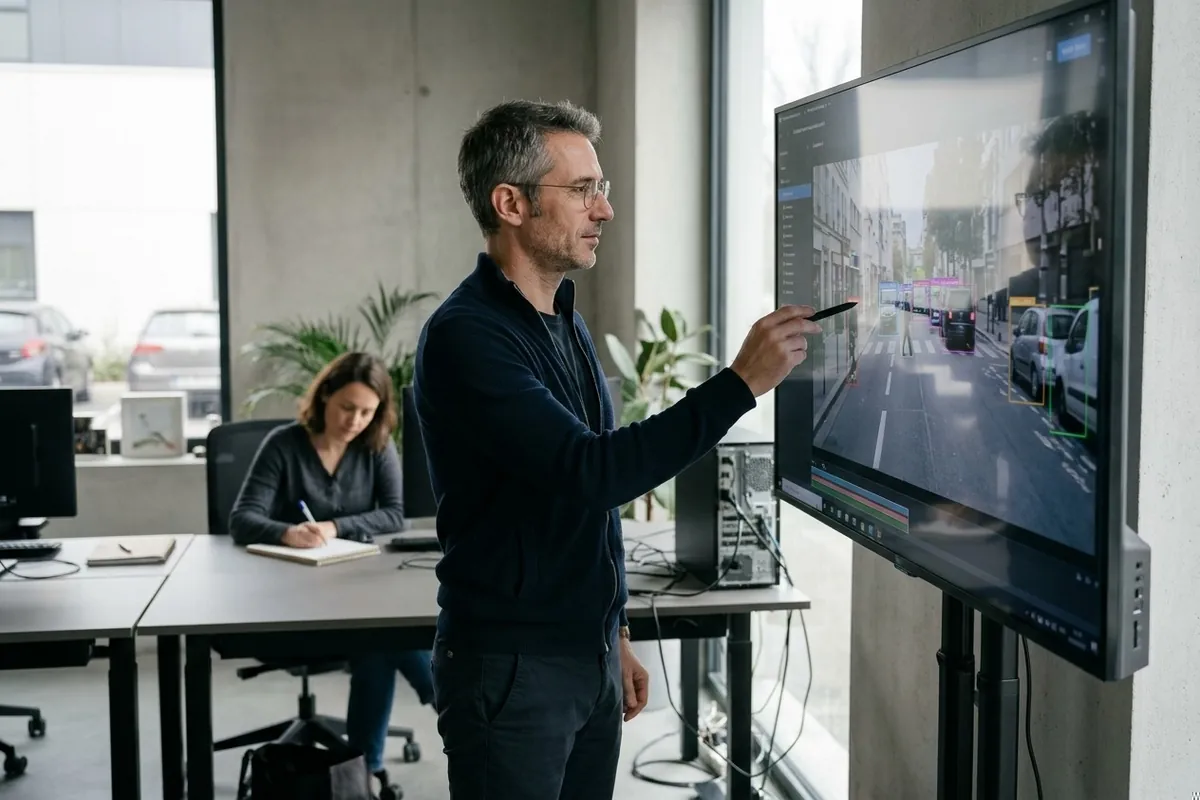
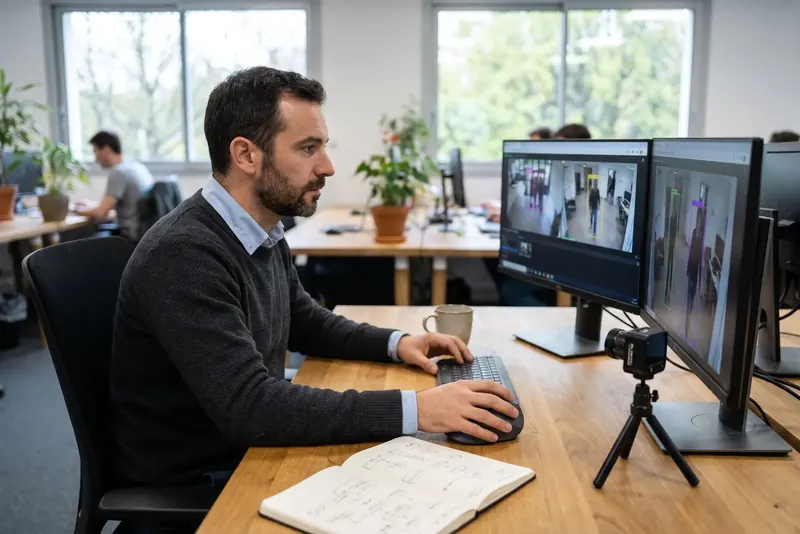
The engineer trains an AI model to locate and classify specific elements within an image or video feed. This service is ideal for tracking inventory, monitoring vehicle movements, or detecting pedestrians. The pro prepares training images, calibrates the algorithm, and provides the executable program alongside complete technical documentation.
Free · No obligation
Common service
Industrial Defect Detection
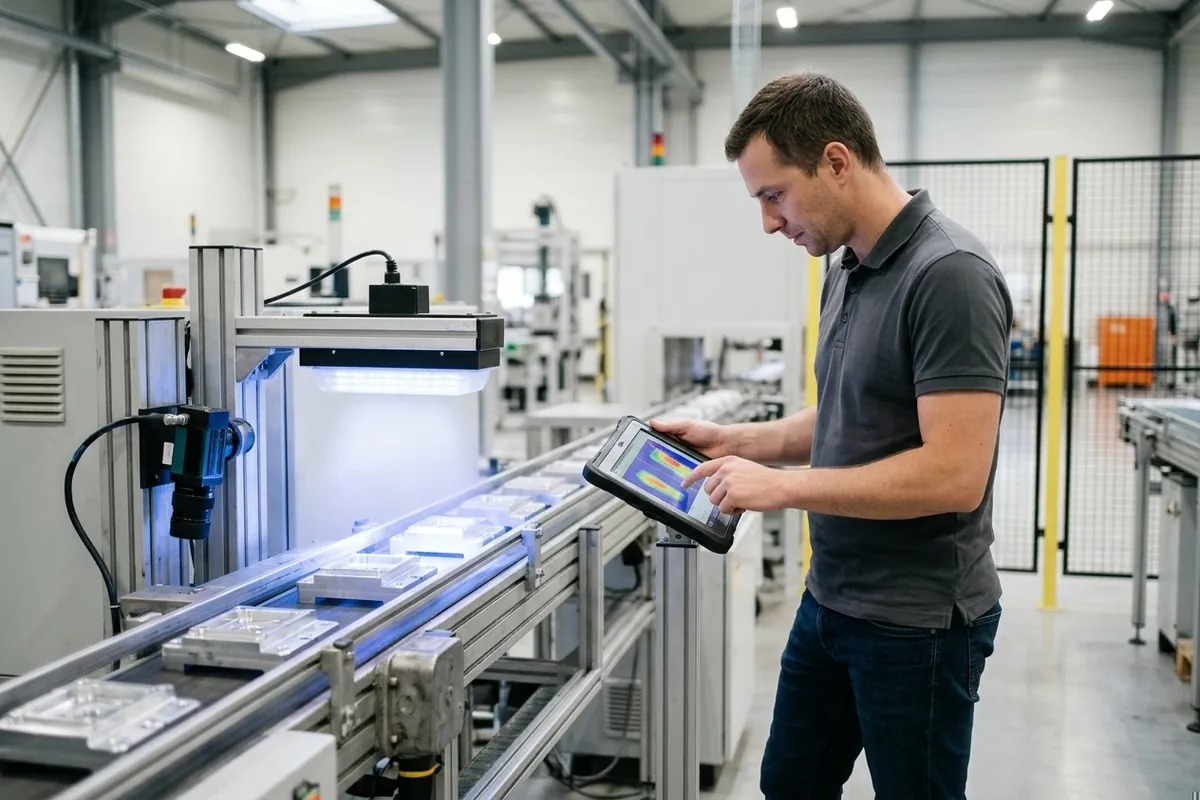
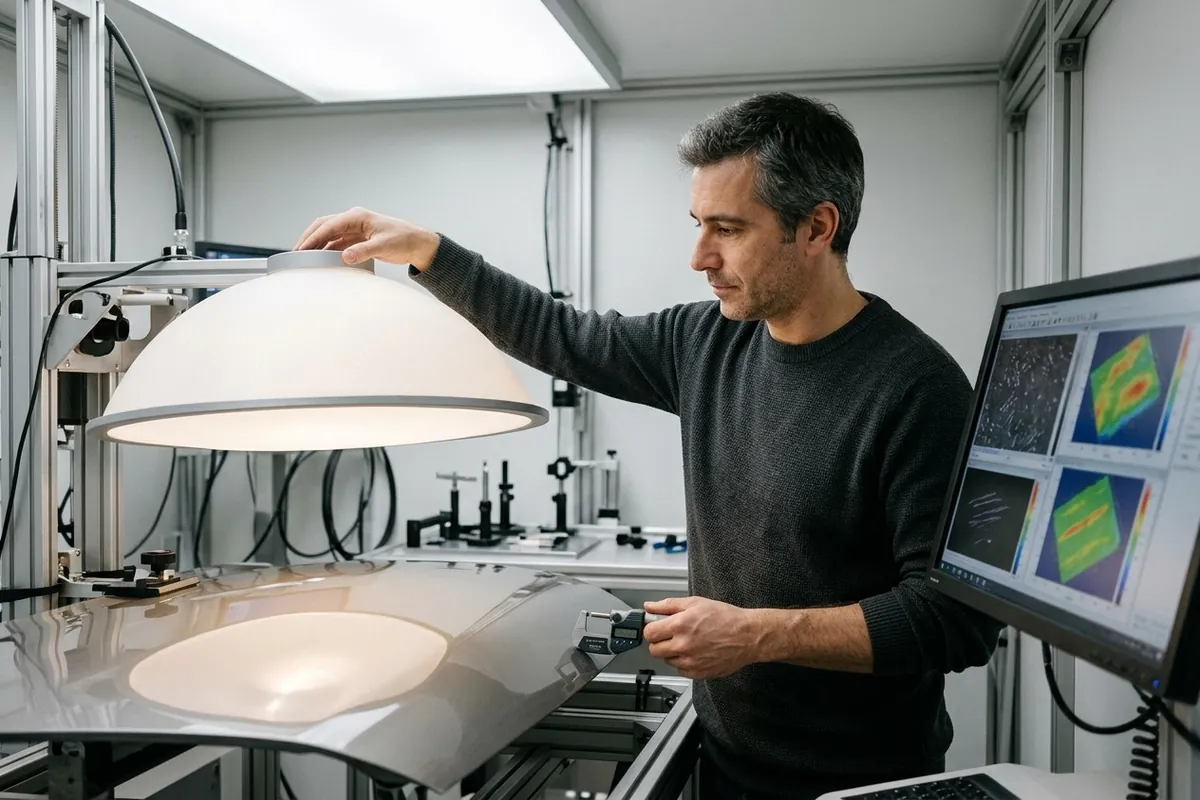
This service automates part inspections directly on a factory production line. The specialist configures a vision system that flags cracks, burrs, or dimensional discrepancies. The job includes line‑speed analysis, production photo processing, and automated alert delivery to floor operators.
Free · No obligation
Common service
Robot Vision Guidance
The pro pairs a camera with a robotic arm to guide its movements with sub‑millimetre precision. This approach applies to bulk part picking, tool positioning, or mechanical assembly. The engineer calculates spatial coordinates and feeds them directly to the robot controller from captured camera images.
Free · No obligation
Common service
Deep Learning Development
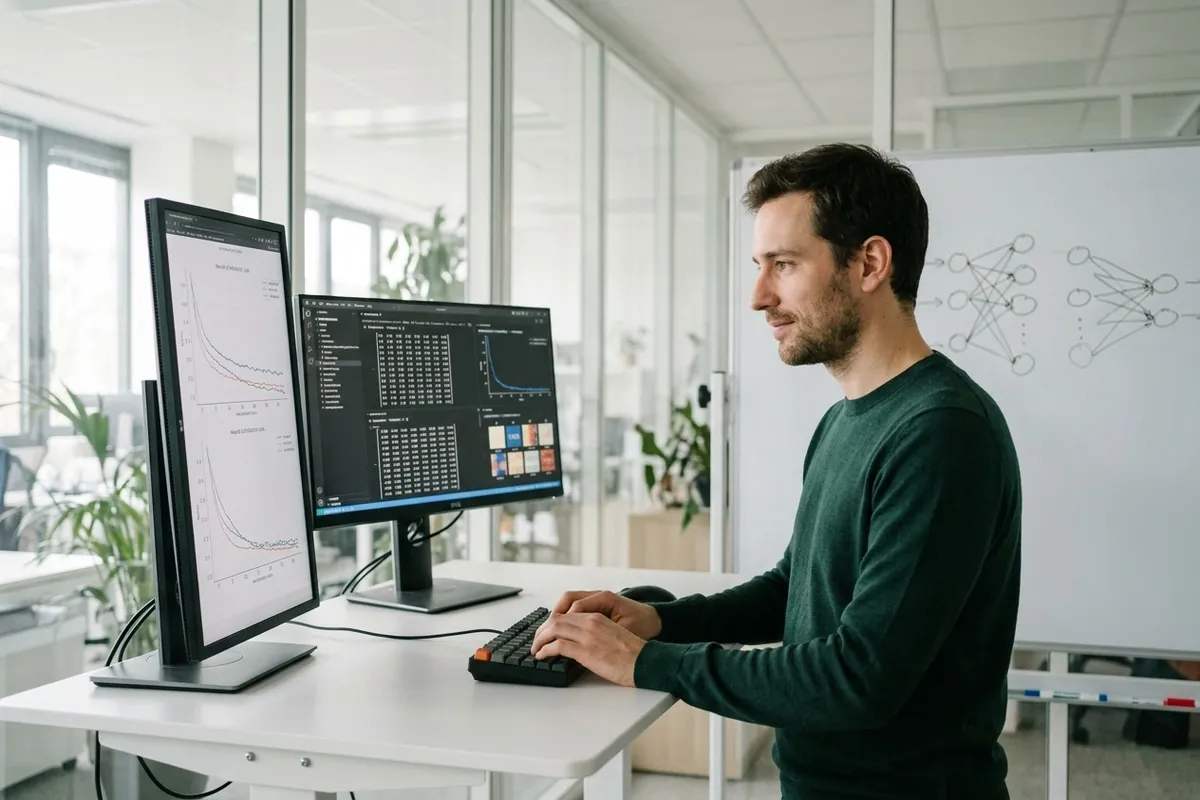
The engineer designs a bespoke deep learning architecture tailored to complex visual analysis tasks. The service covers dataset cleaning, model training on dedicated compute servers, and network pruning for efficiency. You receive an operational model alongside scripts for seamless software integration.
Free · No obligation
Common service
Intrusion Detection
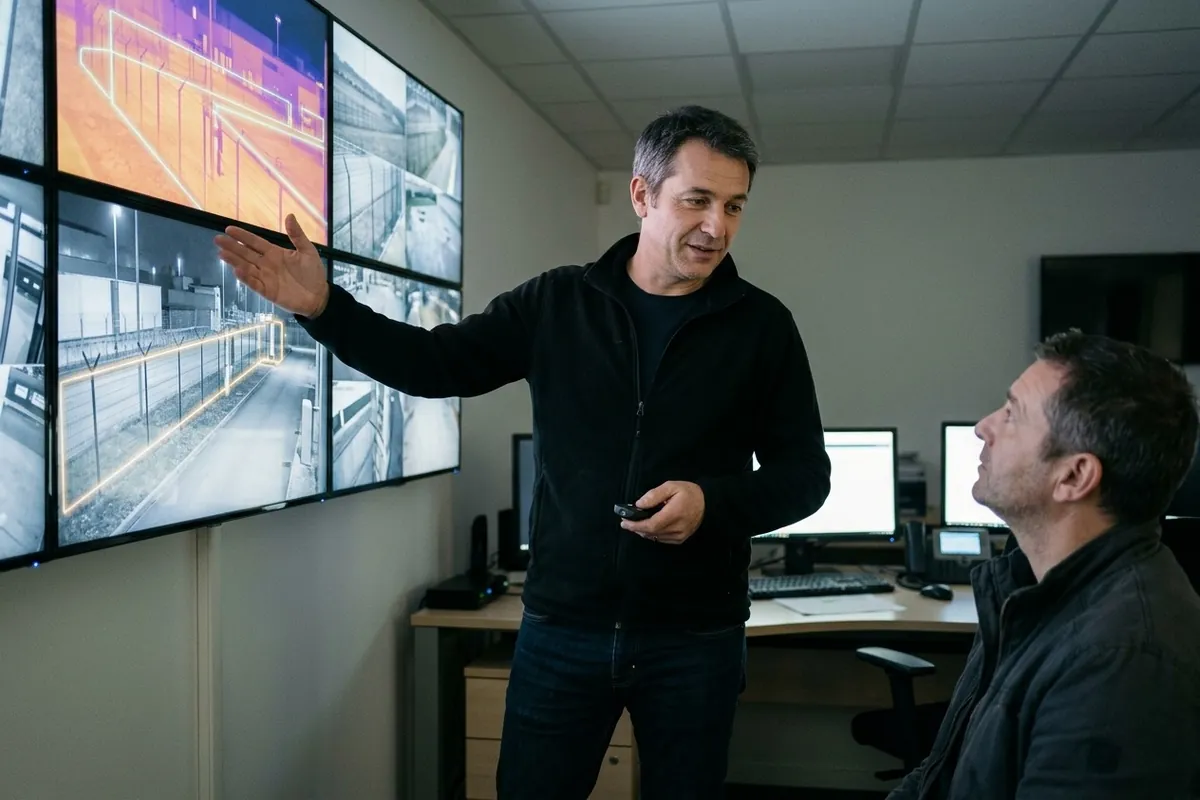
This service turns surveillance cameras into automated boundary breach alerting systems. The engineer configures the platform to distinguish people and vehicles from benign weather or animal movements. This significantly minimises false alarms across your commercial or industrial site.
Free · No obligation
Common service
Component Presence Check
The algorithm verifies that every required component is present on an assembled product prior to final packaging. The pro configures detection for missing screws, seals, labels, or electronic connectors. You receive an automated analysis program connected to your PLC to halt incomplete units.
Free · No obligation
Common service
Cosmetic Defect Detection
This project aims to detect micro‑scratches, stains, or paint blemishes on finished surfaces. The engineer adapts digital filters and optical settings to your aesthetic standards. The service delivers a detailed defect map for every single inspected unit on the line.
Free · No obligation
Common service
ID Verification
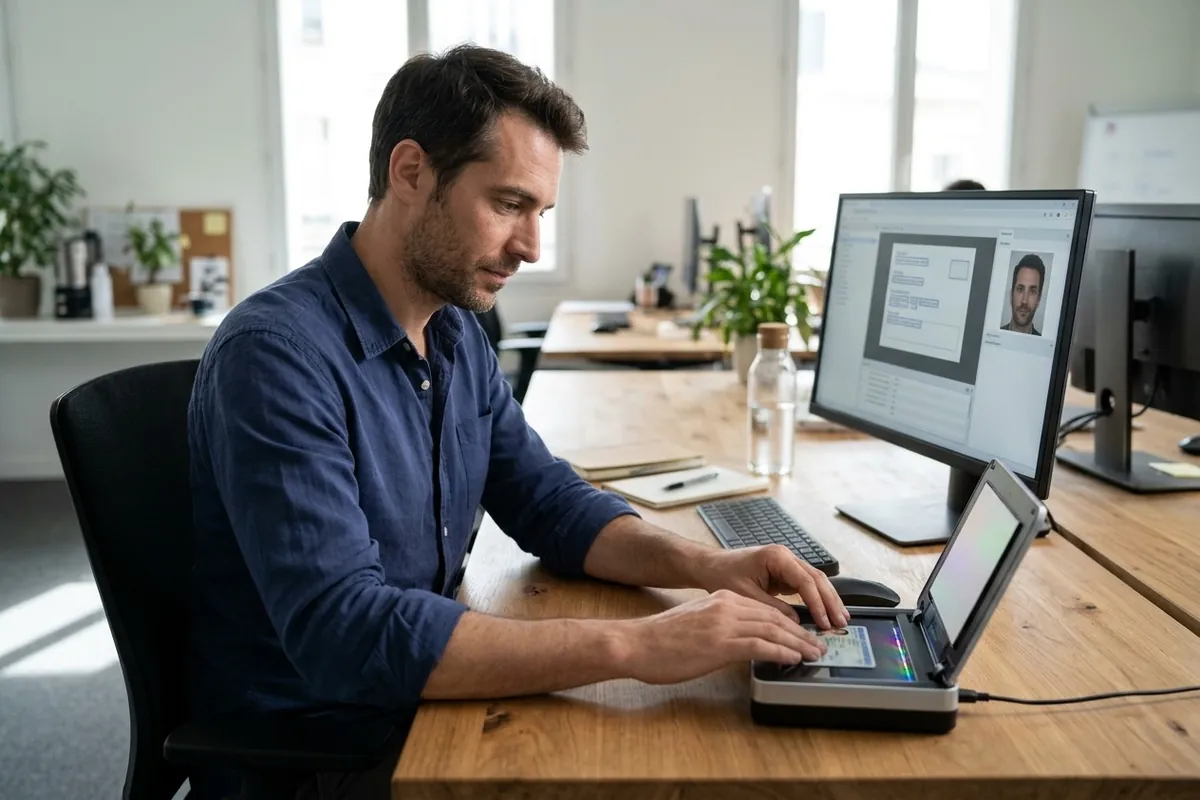
The pro develops an optical character recognition module to read passports, residence permits, or national ID cards. The tool automatically extracts personal data fields and checks machine‑readable zones (MRZ) for validity. You receive a ready‑to‑use software interface for onboarding workflows.
Free · No obligation
When to call a Computer Vision Engineer
K
Is this your situation? A professional in your area calls you back to discuss it.Free · No obligation
Demand a detailed technical proposal outlining training milestones and performance benchmarks.
✓Question the pro about their model validation methods and how they handle edge cases.
✓Ask for clarity regarding intellectual property transfer for both source code and trained models.
✓Check how visual data pipelines are handled and secure a non‑disclosure agreement before sharing proprietary images.
✓Request examples of similar computer vision projects delivered in industrial or commercial environments.
✓Be cautious of anyone claiming zero‑error accuracy without first reviewing your real‑world data.
✓A dependable pro always conducts a technical feasibility assessment on a representative sample of your images first.
What makes the price of a Computer Vision Engineer
Pricing depends mainly on the factors listed below. The exact price is set out in the detailed quote provided by the professional for your specific project.
What affects the price
Volume and resolution of images requiring data annotation
Complexity of the chosen deep learning architecture
Hardware constraints and real‑time inference speed requirements
Need for on‑site visits to your manufacturing facility
Get called back by a Computer Vision Engineer
For each service and each town, Kelki explains the essentials: the services, when to call a pro and pointers to choose well. With « Call me back », you describe your need in a few clicks: your request goes to a professional of the trade in your area, and you then deal with them directly.
Your requestFree
TradeComputer Vision EngineerLocationEverywhere in FranceServiceTo chooseTimeframeYou choose
A pro in your area calls you back · free
Your most common questions
How does a remote computer vision project work?+
The project starts by defining your requirements during a video call. Your team shares a representative dataset via a secure transfer platform. The engineer tests several algorithmic approaches on dedicated compute hardware, with regular progress check‑ins to validate metrics. Finally, the pro delivers the source code, trained models, and integration documentation.
What deliverables does a Computer Vision Engineer provide?+
The specialist supplies the trained model in an industry‑standard AI format, alongside the complete image processing source code, training scripts, and technical documentation. This documentation covers installation steps, configuration parameters, and the precision and recall scores achieved during validation.
How is the confidentiality of our images protected?+
Data protection relies on signing a comprehensive non‑disclosure agreement before any files are exchanged. Data transfers use encrypted servers with restricted access. The engineer commits contractually never to disclose your manufacturing imagery or internal data. Files are either deleted or archived according to agreed terms at the end of the mission.
What type of contract covers computer vision services?+
Work is governed by a detailed quote and technical proposal, backed by a service agreement. This contract defines the scope of development, delivery timelines, payment stages, and intellectual property ownership clauses. A statement of work may also set out target performance metrics and technical support terms.
What data do you need to provide to start the project?+
You need to supply a representative sample of images or video recordings reflecting the actual conditions of your operational environment. This dataset should include normal baseline samples as well as examples of defects or target objects. If images are unlabelled, the engineer can include data annotation in the initial quote.
Do you need specialised hardware to run the model?+
Hardware requirements depend on your latency constraints and runtime environment. Real‑time processing on an active manufacturing line often requires a dedicated graphics card or an industrial edge AI box. For batch processing of scanned documents, standard server infrastructure is usually sufficient. The engineer specifies required system specs during the scoping study.
How are remote progress meetings organised?+
Regular check‑ins take place via video conference according to an agreed project schedule. The engineer shares their screen to review learning curves, error metrics, and live visual demos on test data. Day‑to‑day queries are handled via messaging platforms or email alongside written progress summaries.
Why is an on‑site visit sometimes necessary?+
An occasional on‑site visit allows the pro to calibrate lighting conditions and physical camera positioning. The engineer can check lens focus, measure component transit speeds, and test algorithms directly on the production PC connected to the line. These focused visits complement the remote development work.
Need a Computer Vision Engineer?? Get a call back.
Free · No obligation · Describe your need in a few clicks
Computer Vision EngineerEverywhere in FranceComputer vision request · Free · No obligationCall me back
K
Kelki AgentI connect you with pros in over 1,000 trades, in France.
Hello, I’m the Kelki Agent. Tell me what you need: I’ll find the right pro for you, close to home.
Messages are analysed by an AI to understand your need, and are not stored. Privacy
Cookies
We use cookies to improve your experience and analyse site traffic. About our cookies